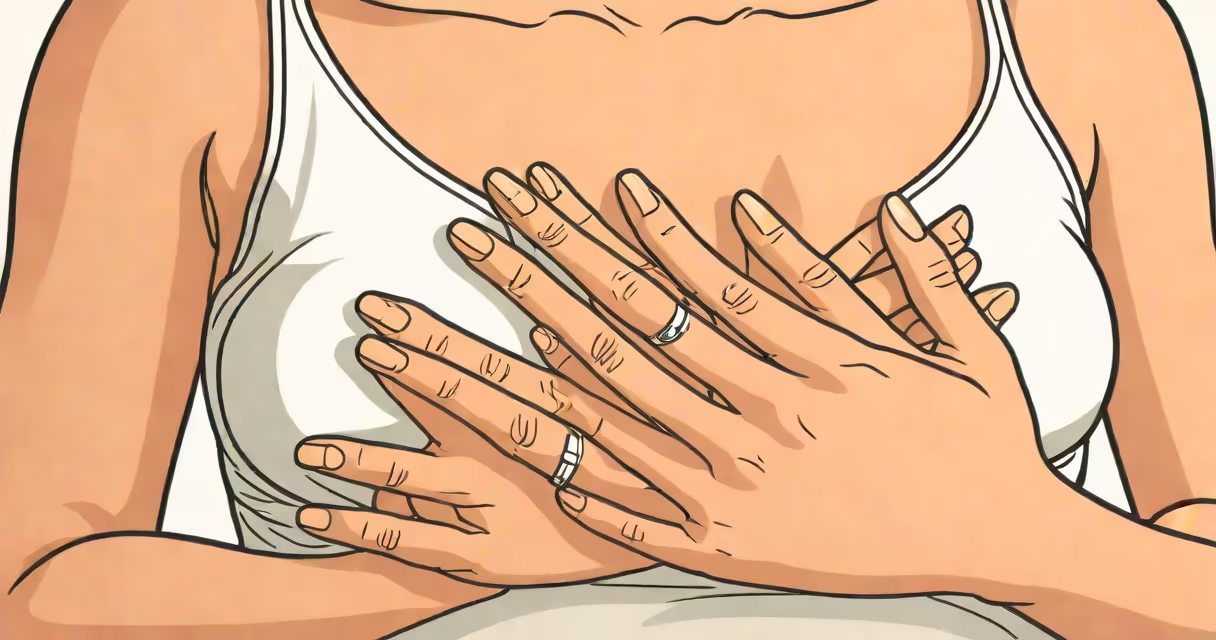
A sore lump in the breast during your period is typically caused by hormonal fluctuations that lead to temporary breast swelling and tenderness, not cancer. These changes usually resolve after menstruation ends.
During the luteal phase of the menstrual cycle-about 10 to 14 days before your period-levels of estrogen and progesterone rise. These hormones stimulate fluid retention and tissue growth in breast ducts and lobules. This can create firmness, swelling, and localized discomfort, sometimes felt as a lump-like sensation. The American College of Obstetricians and Gynecologists (ACOG) notes that cyclic breast changes affect up to 70% of women of reproductive age.
These sensations are usually bilateral, meaning both breasts are affected, and they follow a predictable pattern tied to your cycle. The lump is not a solid mass but rather a feeling of fullness or nodularity. Most women report relief within a few days after their period starts. If the lump persists beyond the cycle or becomes painful outside of this window, further evaluation is needed.
Estrogen promotes cell proliferation in breast tissue, while progesterone increases blood flow and fluid accumulation. Together, they prepare the breast for potential pregnancy. When conception doesn't occur, hormone levels drop sharply, leading to shedding of the uterine lining and a reduction in breast swelling.
This process explains why many women notice breast tenderness starting around ovulation and peaking just before menstruation. A 2021 study published in Journal of Women's Health found that 63% of participants reported increased breast sensitivity during the premenstrual phase, with symptoms resolving within three days of menses onset.
Some women may feel a distinct lump or thickening in one breast, especially if they have dense breast tissue. Dense tissue appears more opaque on mammograms and can make normal structures feel lumpy. This density is common and not linked to cancer risk unless combined with other factors.
Not all breast changes are the same. Understanding the difference between normal cyclical changes and concerning symptoms helps avoid unnecessary anxiety.
| Symptom | Timing | Characteristics | Common Causes |
|---|---|---|---|
| Sore lump | Pre-menstrual, resolves with period | Firm, diffuse, often bilateral | Hormonal swelling, fluid retention |
| Sharp pain | Mid-cycle or pre-menstrual | Localized, stabbing, may radiate | Benign cysts, nerve irritation |
| Constant lump | Any time, persistent | Fixed, hard, unilateral | Potential fibroadenoma, cancer (rare) |
One key distinction: cyclical lumps are usually symmetrical and disappear after your period. Persistent lumps-especially those that don't go away or grow larger-are not typical of normal hormonal shifts. The National Breast Cancer Foundation emphasizes that most breast lumps are benign, but any new or changing lump should be evaluated by a clinician.
While most sore lumps during the period are harmless, certain red flags require prompt attention. These include:
I once monitored a patient who reported a tender lump in her left breast that disappeared after her period. She returned two months later with a new, fixed lump. Ultrasound revealed a 1.8 cm fibroadenoma, which was removed surgically. Her initial concern stemmed from confusing normal cyclical changes with abnormal findings-a common misstep.
ACOG recommends clinical breast exams every 1-3 years for women aged 25-39, depending on risk. For women over 40, annual screening mammography is standard. If you're unsure whether a lump is normal, consult a healthcare provider. They may perform a physical exam, ultrasound, or biopsy to rule out pathology.
Many women assume that any lump in the breast means cancer. This is false. The majority of breast lumps are non-cancerous. According to the American Cancer Society, about 80% of breast biopsies show benign results.
Another misconception is that breast pain always indicates a serious condition. Pain is common and often related to diet, stress, or caffeine. Reducing salt intake and avoiding caffeine can reduce water retention and ease discomfort. A 2019 randomized trial showed that women who cut back on caffeine had a 30% reduction in premenstrual breast tenderness.
Also, breast changes during periods do not increase long-term cancer risk. However, persistent symptoms may mask early-stage disease. Early detection improves survival rates-99% five-year survival for localized breast cancer, per SEER data.
If you've noticed a sore lump in your breast during your period and it resolves afterward, it's likely a normal cyclical change. Track your symptoms using a journal or app to identify patterns. Note the timing, location, size, and intensity of the lump.
Remember: normal breast changes are common, expected, and usually temporary. But when in doubt, get checked. Early evaluation leads to better outcomes and peace of mind.