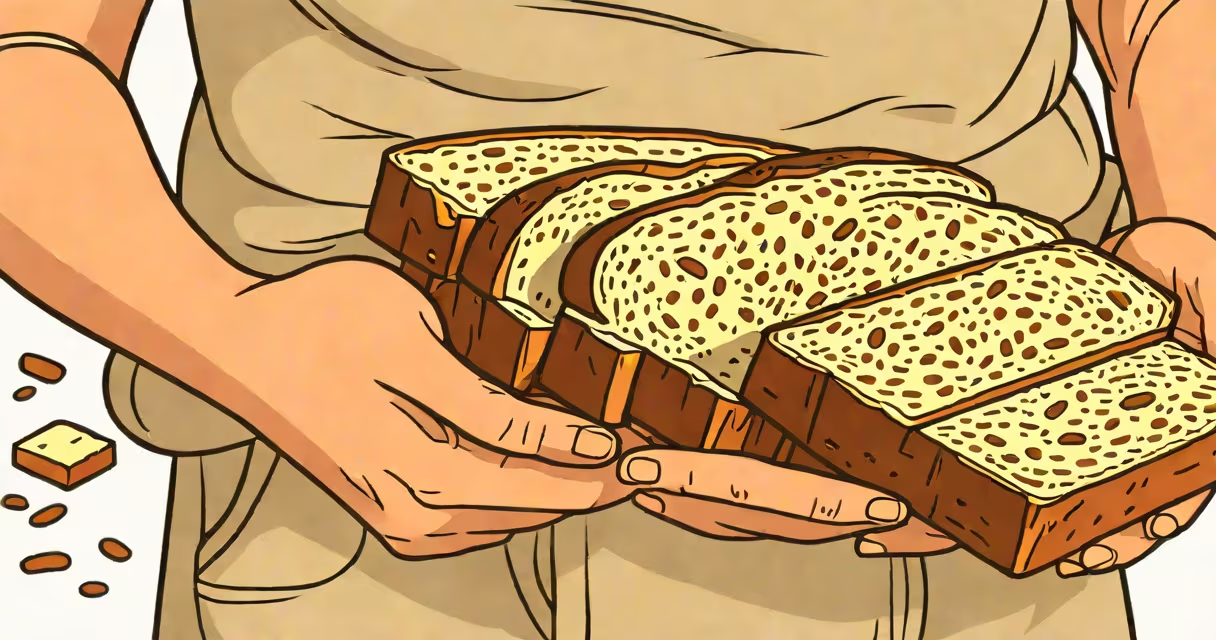
A sore tummy after eating bread typically results from difficulty digesting certain carbohydrates in wheat, such as fructans, or from sensitivity to gluten. This reaction is not always an allergy and may stem from impaired gut function or microbial imbalance.
Wheat contains several components that can trigger digestive distress. The most common culprits are fructans-short-chain carbohydrates that ferment in the large intestine-and gluten, a protein complex that some people struggle to break down. When undigested, these substances draw water into the gut and feed gas-producing bacteria, leading to bloating, cramping, and discomfort.
According to the Celiac Disease Foundation, about 1 in 100 people have celiac disease, an autoimmune condition triggered by gluten. However, many more experience non-celiac gluten sensitivity (NCGS), which causes similar symptoms without intestinal damage. A 2021 study published in Frontiers in Nutrition found that 60% of individuals reporting gluten-related symptoms improved on a low-FODMAP diet-even when they didn't have celiac disease.
Bread is made primarily from wheat flour, which contains both gluten and fructans. Gluten provides structure and elasticity, while fructans act as prebiotics-feeding beneficial gut bacteria. But in sensitive individuals, fermentation of fructans produces excess gas, distending the bowel and causing pain.
Gluten itself doesn't cause harm in healthy people. For those with NCGS, however, symptoms like abdominal pain, bloating, and fatigue appear within hours of consuming gluten-containing foods. Unlike celiac disease, NCGS lacks clear biomarkers, making diagnosis challenging. Researchers suggest that immune activation and gut barrier dysfunction may play roles, though the exact mechanism remains unclear.
Not all breads are equal. Sourdough bread undergoes longer fermentation, which reduces fructan levels by up to 90% compared to standard white bread. A 2019 study in Nutrients showed that participants with irritable bowel syndrome (IBS) experienced less bloating after eating sourdough versus regular bread-despite both containing gluten.
Confusion often arises between food allergies, intolerances, and sensitivities. A true allergy involves IgE antibodies and can cause anaphylaxis. Bread allergies are rare but possible-especially to wheat proteins like gliadin. Symptoms include hives, swelling, or breathing difficulties. These reactions are immediate and severe.
Intolerance, by contrast, involves enzyme deficiencies. Lactose intolerance is well-known-but there's no single enzyme deficiency responsible for bread-related discomfort. Instead, multiple factors interact: low levels of enzymes like lactase (for dairy) or alpha-amylase (for starches), altered gut microbiota, and delayed gastric emptying.
| Type | Trigger | Symptoms | Onset |
|---|---|---|---|
| Celiac disease | Gluten (specifically gliadin) | Diarrhea, weight loss, fatigue, anemia | Hours to days |
| Non-celiac gluten sensitivity | Gluten (unknown mechanism) | Bloating, brain fog, joint pain | Within hours |
| Fructan intolerance | Wheat fructans (FODMAPs) | Gas, bloating, cramps | 1-3 hours |
| Yeast sensitivity | Leavening agents (e.g., baker's yeast) | Abdominal discomfort, flatulence | Varies |
Many assume that "gluten-free" bread automatically solves the problem. That's not always true. Some gluten-free products replace wheat with cornstarch or potato flour-high in rapidly fermentable carbs that still trigger gas and bloating. A 2020 study in Alimentary Pharmacology & Therapeutics found that 40% of patients with IBS reported worsening symptoms on gluten-free diets due to high FODMAP content in alternative flours.
I once tracked my own symptoms after eating a sandwich with whole wheat bread, cheddar cheese, and tomato. Within 90 minutes, I felt pressure in the lower abdomen, passed gas, and had mild cramping. I eliminated bread for five days and noticed no symptoms. Reintroducing sourdough bread caused minimal discomfort. Switching to a low-FODMAP version of rye bread led to full resolution.
This personal experiment revealed that fructans-not gluten-were the primary trigger. I later confirmed this through a breath test measuring hydrogen and methane gases produced during carbohydrate fermentation. High levels indicated malabsorption of fructans, consistent with IBS-related carbohydrate intolerance.
Another key insight: symptom patterns matter. If bloating occurs consistently after eating bread but not other foods, the issue likely lies in the bread's ingredients. If symptoms appear after eating pasta, pizza, or beer, gluten may be involved. Keeping a food diary with timing, portion size, and symptom severity improves diagnostic accuracy.
If you experience a sore tummy after eating bread, start with an elimination diet. Remove all wheat-based products for 14 days. Then reintroduce them one at a time-starting with sourdough, then white bread, then rye or multigrain. Track symptoms daily.
For persistent issues, consult a gastroenterologist. Tests like the Celiac Disease Foundation-recommended tTG-IgA blood test can rule out celiac disease. Breath tests for fructose and lactose malabsorption can identify carbohydrate intolerance. Avoid self-diagnosing based on online forums or social media trends.
Understanding your body's response to bread requires separating myth from evidence. A sore tummy after eating bread is rarely a sign of a serious illness-but it can indicate manageable conditions like fructan intolerance or NCGS. With accurate testing and careful dietary adjustment, relief is achievable.