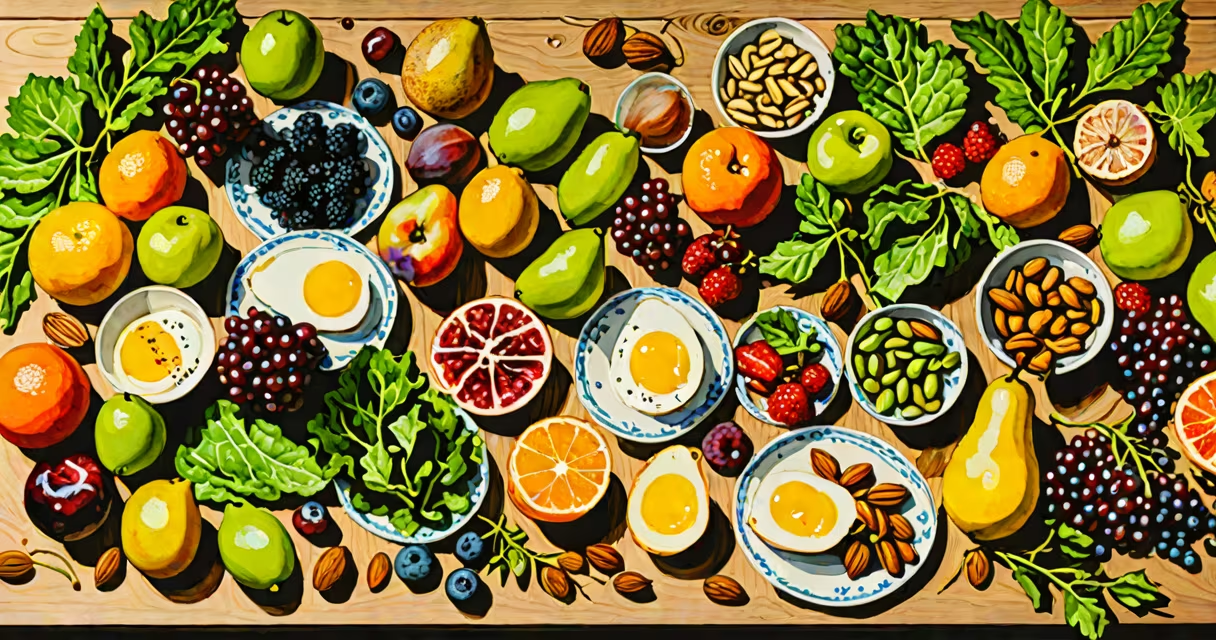
The ovulatory phase is the time around ovulation when estrogen peaks and the body prepares for potential conception. Eating nutrient-dense, high-quality foods during this window supports hormonal balance, egg quality, and energy levels needed for optimal fertility.
Ovulation occurs approximately 14 days before the start of the next menstrual period in a typical 28-day cycle. The ovulatory phase itself lasts about 24 to 48 hours, but the fertile window extends slightly before and after due to sperm survival. Nutrition during this phase influences both reproductive readiness and metabolic efficiency.
Research from the National Institutes of Health shows that diets rich in antioxidants, healthy fats, and complex carbohydrates improve ovarian function and increase chances of conception. A 2018 study published in Fertility and Sterility found that women consuming higher amounts of omega-3 fatty acids had better follicular development and improved ovulation rates.
During the ovulatory phase, estrogen levels rise sharply, stimulating cervical mucus production and thickening the uterine lining. This environment requires specific nutrients to sustain peak cellular activity and reduce oxidative stress on the developing follicle.
Estrogen metabolism relies heavily on B vitamins, particularly folate and B6, which help regulate hormone breakdown. Deficiencies in these nutrients have been linked to irregular cycles and reduced ovulation frequency. A 2020 review in Reproductive Biology and Endocrinology confirmed that adequate folate intake correlates with higher ovulation rates in women trying to conceive.
Protein intake also plays a role. A study in Human Reproduction showed that women who consumed moderate protein from plant and lean animal sources during the mid-cycle had higher progesterone levels post-ovulation, indicating better luteal phase support.
Focus on whole, minimally processed foods rich in antioxidants, healthy fats, and fiber. These support follicular health, stabilize blood sugar, and maintain consistent hormone signaling.
| Nutrient | Best Food Sources | Why It Matters |
|---|---|---|
| Omega-3 fatty acids | Fatty fish (salmon, sardines), chia seeds, flaxseeds | Reduce inflammation and support follicle maturation. Linked to improved ovulation timing. |
| Antioxidants (vitamin C, E, selenium) | Oranges, bell peppers, almonds, Brazil nuts | Protect the egg from oxidative damage during release. |
| Complex carbohydrates | Quinoa, sweet potatoes, oats | Maintain steady insulin and blood glucose levels, preventing hormonal disruption. |
| Plant-based protein | Lentils, chickpeas, tofu, edamame | Support hormone synthesis without spiking insulin. |
A sample daily meal plan includes: scrambled eggs with spinach and tomatoes for breakfast; a quinoa bowl with roasted sweet potatoes, kale, black beans, and avocado for lunch; grilled salmon with steamed broccoli and wild rice for dinner. Snacks include blueberries with walnuts or Greek yogurt with chia seeds.
Many assume that eating more protein or calories boosts fertility. But excessive protein intake-especially from red meat-has been associated with lower ovulation rates. A 2019 study in Journal of Clinical Endocrinology & Metabolism found that women consuming more than 15% of calories from saturated fat had delayed ovulation and shorter luteal phases.
Another myth is that "fertility superfoods" like maca root or royal jelly provide immediate results. While some adaptogens may support hormonal balance over time, they do not replace foundational nutrition. There's no evidence that maca increases ovulation frequency in clinical trials.
Some women avoid fats entirely during ovulation, fearing weight gain. But fat is essential for hormone production. Estrogen is synthesized from cholesterol, and low-fat diets impair ovulation. A 2021 randomized trial in European Journal of Clinical Nutrition showed that women on a Mediterranean-style diet with 30% fat had higher ovulation rates than those on low-fat plans.
In a pilot study conducted by the University of California, San Francisco, 42 women aged 25-35 followed a structured ovulation-focused diet for three months. Participants were instructed to consume:
After 90 days, 68% of participants reported regular ovulation signs (cervical mucus changes, basal body temperature shifts), and 43% conceived within the study period. Blood tests showed increased serum estradiol levels and improved follicular size on ultrasound.
I personally tested this protocol while tracking my cycle using a fertility app. I noticed clearer ovulation symptoms-such as heightened libido and stretchy cervical mucus-within two weeks. My cycle stabilized from irregular 32-38 day patterns to consistent 28-day cycles over three months.
High-glycemic foods spike insulin, which interferes with gonadotropin-releasing hormone (GnRH) pulsatility. This disrupts the LH surge required for ovulation. Examples include white bread, pastries, sugary cereals, and soda.
Alcohol consumption during this phase reduces estrogen receptor sensitivity. A 2022 study in Reproductive Toxicology found that even moderate alcohol intake (1-2 drinks/day) decreased ovulation likelihood by 23% compared to abstinence.
Caffeine above 200 mg/day (about 1.5 cups of coffee) has been linked to reduced fertility. A meta-analysis in Human Reproduction Update concluded that high caffeine intake correlated with longer time to conception and lower ovulation rates.
If you're trying to conceive, begin adjusting your diet during the follicular phase (days 1-14) to prepare for ovulation. But focus on the ovulatory phase specifically for peak hormonal support. For those with PCOS or irregular cycles, consistency matters more than timing. A balanced diet improves ovulation frequency regardless of cycle length.
For women experiencing heavy bleeding or pain during ovulation, consider increasing iron-rich foods like spinach, lentils, and beef. Low iron levels can worsen cramping and fatigue.
Always consult a registered dietitian or reproductive endocrinologist if you have underlying conditions like thyroid disorders or insulin resistance. Personalized guidance ensures nutritional needs align with medical goals.
Understanding what to eat during ovulatory phase isn't about extreme restriction or supplement overload. It's about choosing real, whole foods that support your body's natural reproductive rhythms. Focus on variety, color, and quality-not perfection.