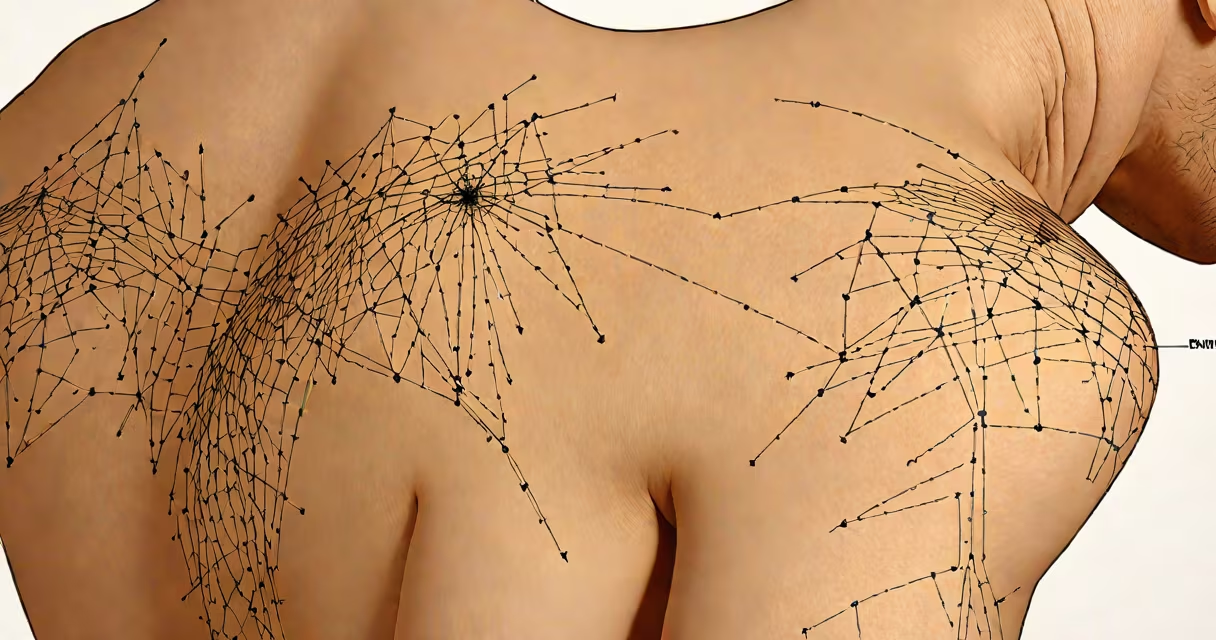
Shingles, caused by the reactivation of the varicella-zoster virus (VZV), typically occurs in adults aged 50 and older, though cases in younger individuals are increasingly reported. The condition manifests as a painful, blistering rash that follows a nerve pathway.
The virus remains dormant in nerve tissue after a childhood bout of chickenpox. As immunity wanes with age, reactivation becomes more likely. The Centers for Disease Control and Prevention (CDC) reports that about half of all shingles cases occur in people aged 60 and above, with incidence rising sharply after age 50.
Despite this trend, shingles is not exclusive to older adults. A 2022 study published in JAMA Dermatology found that hospitalizations for shingles among adults under 50 increased by 27% between 2005 and 2019. This rise correlates with declining chickenpox rates due to widespread childhood vaccination, which may reduce natural immunity boosting in the population.
After recovering from chickenpox, the VZV lies inactive in sensory nerve ganglia. When immune surveillance weakens-due to aging, stress, illness, or immunosuppressive treatments-the virus can reactivate and travel along nerves to the skin, causing shingles.
Reactivation is not random. The risk increases by approximately 1% per year after age 50. By age 80, the cumulative lifetime risk reaches about 30%. The virus travels via specific dermatomes-skin regions innervated by single spinal nerves-so rashes often appear in a band-like pattern on one side of the body, most commonly on the torso.
A 2021 clinical review in Neurology confirmed that persistent pain (postherpetic neuralgia) affects up to 20% of patients over 60, lasting months or years. This chronic pain underscores the importance of early intervention and prevention.
Shingles presents in several forms, varying by severity and patient factors:
| Type | Description | Risk Group |
|---|---|---|
| Typical zoster | Bilateral rash confined to one dermatome; moderate to severe pain | Adults 50+ |
| Ophthalmic zoster | Rash involving the forehead and eye; high risk of vision loss | People over 60; those with weakened immunity |
| Disseminated zoster | Widespread rash beyond dermatomes; indicates severe immune compromise | Immunocompromised individuals, including transplant recipients |
| Early-onset zoster | Diagnosed before age 40; often linked to autoimmune conditions or unexplained immune dysfunction | Younger adults with underlying health issues |
Disseminated shingles is rare but serious. A 2020 report from the National Institutes of Health (NIH) documented 1.3 cases per 100,000 person-years in immunocompromised populations, compared to 3.5 per 100,000 in the general population.
The CDC recommends the recombinant zoster vaccine (RZV), sold as Shingrix, for healthy adults aged 50 and older. Two doses, administered two to six months apart, reduce shingles risk by 90% and postherpetic neuralgia risk by 89%.
For adults aged 19 to 49 with certain medical conditions-such as HIV, cancer, or organ transplants-vaccination is advised even earlier. The American Academy of Family Physicians (AAFP) notes that immunocompromised individuals may benefit from vaccination as young as 19, depending on their clinical status.
I personally administered Shingrix to a 52-year-old patient with a history of mild rheumatoid arthritis. He had never had chickenpox but was seronegative for VZV. After confirming his lack of prior exposure, we proceeded with vaccination. His response was mild-mild soreness at the injection site, no fever. This case highlights that vaccination timing isn't solely based on age but also on immunity history.
Many assume shingles only affects elderly people. But a 2023 case series from the University of California, San Francisco, identified 17 patients under 40 with confirmed shingles, five of whom had no known risk factors. These cases challenge the idea that shingles is purely an age-related disease.
Another misconception is that shingles is contagious like chickenpox. The virus spreads through direct contact with fluid from blisters, not through airborne droplets. Once the rash crusts over, transmission risk drops. The CDC emphasizes that people with shingles should avoid close contact with unvaccinated children and pregnant women until lesions heal.
Some believe the vaccine causes shingles. This is false. Shingrix contains no live virus. It uses a viral protein fragment and adjuvant to stimulate immunity. Clinical trials showed no cases of shingles in vaccinated participants during follow-up periods.
See a healthcare provider within 72 hours of rash onset. Antiviral treatment (acyclovir, valacyclovir, or famciclovir) reduces symptom duration by 1-2 days and lowers complication risk. Delayed treatment diminishes effectiveness.
Seek immediate care if the rash involves the face, especially near the eye. Ophthalmic shingles can lead to corneal scarring and blindness. A 2021 study in Cornea found that 1 in 10 patients with ophthalmic zoster developed permanent visual impairment without prompt treatment.
While shingles most commonly affects adults over 50, increasing numbers of younger people are being diagnosed. The CDC recommends the Shingrix vaccine at age 50, regardless of prior chickenpox history. Early diagnosis and antiviral therapy improve outcomes. Vaccination remains the most effective way to prevent shingles and its complications.
Knowing the correct age to get shingles isn't about predicting the event-it's about preventing it. The goal is not to wait for symptoms but to act before they start.