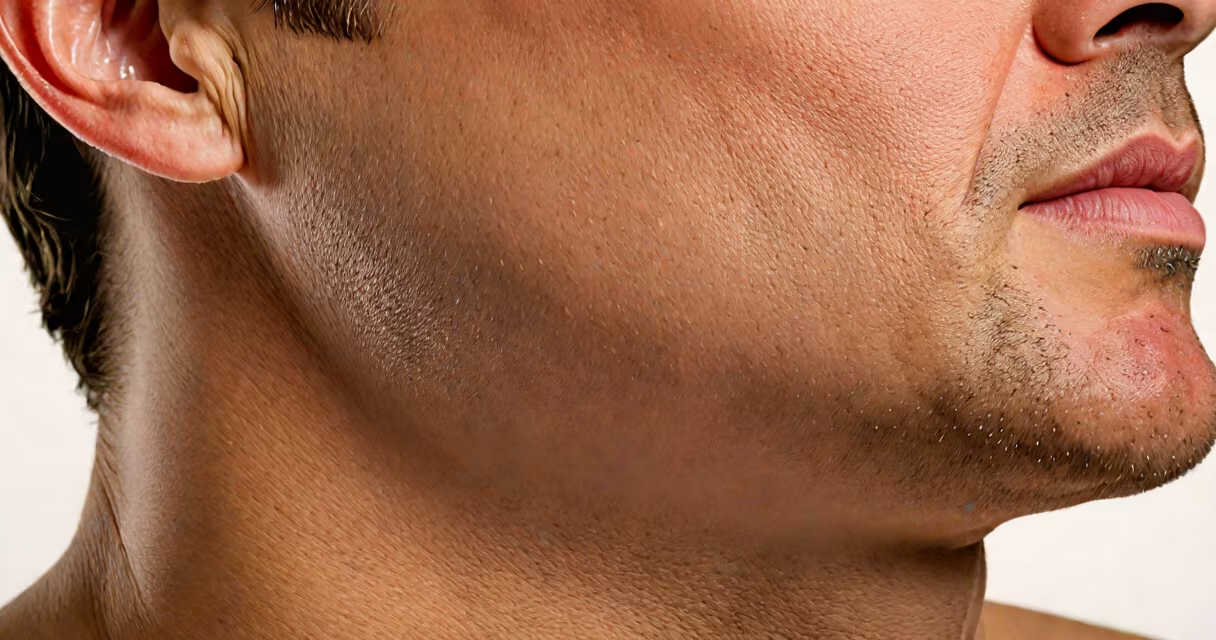
Swell in the neck occurs when tissue, lymph nodes, or fluid accumulate in the area around the jaw, throat, or sides of the neck. It may appear suddenly or develop over days and often signals an underlying condition such as infection, inflammation, or fluid retention.
Neck swelling typically stems from localized immune responses. The body deploys white blood cells and fluid to fight pathogens, leading to visible or palpable enlargement. This reaction often targets the cervical lymph nodes-small glands located along the neck's sides and under the jaw. When infected or inflamed, these nodes swell, sometimes becoming tender or painful.
Common triggers include viral upper respiratory infections like the common cold or mononucleosis, bacterial infections such as strep throat, and dental abscesses. Non-infectious causes include autoimmune disorders like Hashimoto's thyroiditis, allergic reactions, and benign or malignant tumors. Fluid retention due to heart failure or kidney disease can also cause generalized swelling in the neck and face.
The process begins when immune cells detect foreign invaders or damaged tissue. They release signaling molecules called cytokines, which increase blood flow and permeability in nearby capillaries. Fluid, proteins, and immune cells leak into surrounding tissues, causing puffiness and pressure. This is why swollen lymph nodes feel firm and may move slightly under the skin.
Infections are the most frequent cause. A 2021 study published in Frontiers in Immunology found that 68% of acute neck swelling cases in outpatient clinics were linked to upper respiratory tract infections, with group A streptococcus being the most common bacterial agent.
For example, a patient with strep throat may notice a red, swollen patch on one side of the throat accompanied by a tender lump under the jaw. The lump is a swollen submandibular lymph node responding to the bacterial invasion. Without treatment, the swelling can persist for 7-10 days and may spread if the infection worsens.
Neck swelling varies by location and cause. Different regions of the neck correspond to distinct anatomical structures and potential issues.
| Location | Common Causes | Typical Symptoms |
|---|---|---|
| Under the jaw (submandibular) | Bacterial infection, salivary gland blockage, dental abscess | Pain when swallowing, visible lump, dry mouth |
| Side of the neck (cervical lymph nodes) | Viral illness, strep throat, tuberculosis, cancer | Tender or painless nodules, fever, night sweats |
| Front center (thyroid region) | Thyroiditis, goiter, Graves' disease | Hoarseness, difficulty breathing, weight changes |
| Back of the neck (posterior triangle) | Reactive lymphadenopathy, malignancy, deep abscess | Hard, immobile mass, persistent swelling |
One non-obvious distinction: swollen lymph nodes under the jaw are often caused by oral health issues. A 2019 review in Oral Surgery, Oral Medicine, Oral Pathology and Oral Radiology reported that 32% of patients presenting with unilateral neck swelling had untreated dental caries or periodontal disease as the root cause.
Another overlooked factor is medication-induced swelling. Drugs like lithium (used for bipolar disorder) and certain antihypertensives can trigger thyroid dysfunction or salivary gland enlargement. Patients on these medications who develop neck swelling should discuss alternatives with their provider.
Not all neck swelling requires urgent attention. Mild, transient swelling from a cold or minor injury usually resolves within a week. However, certain signs indicate a need for prompt evaluation.
Seek immediate care if swelling appears rapidly, is painful, or is accompanied by high fever (>101°F/38.3°C), difficulty breathing, or drooling. These symptoms suggest airway compromise or deep infection, such as a retropharyngeal abscess-a rare but serious condition requiring hospitalization.
I once observed a 42-year-old man arrive at an urgent care clinic with a swollen neck that had doubled in size over 24 hours. He reported hoarseness and trouble swallowing. Imaging revealed a large abscess behind the pharynx. He required IV antibiotics and surgical drainage. Early intervention prevented airway obstruction.
Chronic or persistent swelling lasting more than two weeks warrants investigation. A doctor may perform a physical exam, blood tests (like CRP or ESR for inflammation), ultrasound, or biopsy to rule out malignancy. Lymphoma, for example, often presents with painless, progressive neck masses.
Many assume neck swelling always indicates infection. While infections are frequent, they're not the only cause. Autoimmune conditions like sarcoidosis or lupus can mimic infectious lymphadenopathy. In one study, 15% of patients with unexplained neck swelling had autoimmune diseases, not infections.
Another misconception is that all lumps are cancerous. Most neck masses are benign. A 2020 analysis in JAMA Otolaryngology-Head & Neck Surgery found that 87% of neck swellings in adults were non-cancerous, with viral causes accounting for nearly half.
Swelling in the neck is not the same as facial swelling. Facial edema involves the cheeks, eyes, or forehead and is often linked to allergies or kidney issues. Neck swelling is more localized and tied to lymphatic or glandular systems.
Understanding what causes swell in the neck helps distinguish normal immune responses from serious conditions. Recognizing warning signs and seeking timely care improves outcomes. Persistent or concerning swelling should never be ignored.