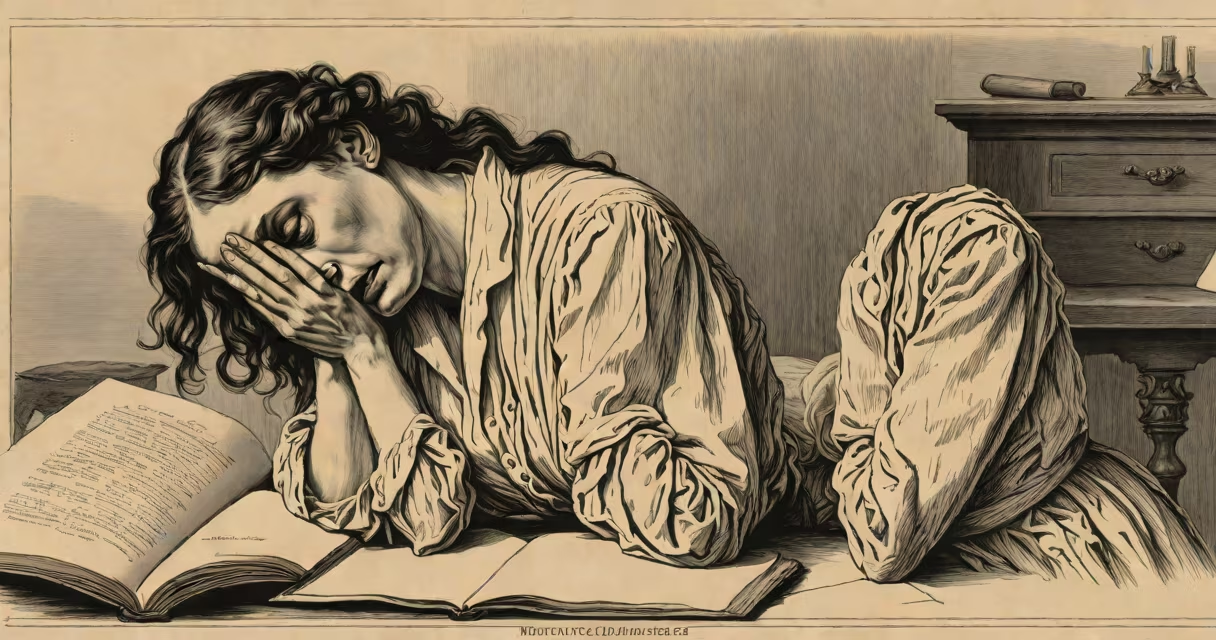
Hysteria historically referred to a cluster of physical and emotional symptoms believed to stem from the uterus, now recognized as a misdiagnosis of neurological or psychiatric conditions. The term evolved into a descriptor for irrational, exaggerated emotional reactions, especially in group settings.
The word originates from the Greek *hystera*, meaning "womb." Ancient physicians thought women's emotions were controlled by their reproductive organs. By the 19th century, doctors diagnosed "hysteria" in women who exhibited anxiety, paralysis, or fainting-symptoms not linked to identifiable physical causes. These diagnoses often reflected social control rather than medical insight.
Modern psychology rejects the idea that hysteria stems from the uterus. The American Psychiatric Association removed "hysteria" from diagnostic manuals in the 1980s, replacing it with terms like conversion disorder and dissociative disorders. Today, "hysteria" is used informally to describe panic, mass fear, or disproportionate emotional responses-often in political or media contexts.
By the late 1800s, neurologists like Jean-Martin Charcot studied hysteria in Paris clinics, using hypnosis to explore symptoms. Charcot claimed hysteria was a neurological condition, not a moral failing. His work influenced Sigmund Freud, who later developed psychoanalysis based on patient cases labeled "hysterical." Freud theorized that repressed emotions, especially from childhood trauma, could manifest as physical symptoms.
Freud's model shifted the focus from the body to the mind. He argued that hysterical symptoms were symbolic expressions of unconscious conflict. For example, a woman who lost her ability to speak after a traumatic event might be expressing suppressed grief through aphonia-not because her vocal cords failed, but because she couldn't verbalize pain.
Despite this shift, the term remained stigmatizing. Women were disproportionately diagnosed. A 2016 study in the journal *History of Psychiatry* found that between 1850 and 1950, over 70% of diagnosed hysteria cases were female, even though men reported similar symptoms under different labels.
Hysteria is frequently misused to dismiss serious mental health concerns. Calling someone "hysterical" implies they're irrational, which undermines valid emotional experiences. This misuse erases the real suffering behind conditions like PTSD, anxiety disorders, and somatic symptom disorder.
For example, during the 2020 pandemic, news outlets described public panic over mask mandates as "hysteria." But those reactions stemmed from legitimate fears about health, autonomy, and misinformation-factors rooted in real-world stress, not irrationality. Labeling such behavior as hysteria devalues the emotional labor involved in going through crisis.
Another confusion: hysteria is not the same as being emotionally expressive. People can feel intense grief, anger, or joy without losing control. True clinical hysteria-now called conversion disorder-includes motor or sensory symptoms with no organic cause. A person may suddenly lose vision or walk with a limp despite normal brain scans and nerve function.
While "hysteria" is no longer a formal diagnosis, several related conditions exist:
| Condition | Key Features | Prevalence |
|---|---|---|
| Conversion Disorder | Loss of movement, speech, or sensation without neurological cause | 1-2 per 100,000 people annually |
| Dissociative Fugue | Sudden, unexpected travel away from home with amnesia for identity | Rare; estimated 1 in 10,000 lifetime risk |
| Psychogenic Non-Epileptic Seizures (PNES) | Seizure-like episodes without EEG abnormalities | Occurs in 10-20% of epilepsy clinic patients |
A documented case from 2014 involved a 16-year-old girl in rural India who experienced sudden paralysis after learning her brother had died. MRI scans showed no spinal injury. After months of treatment, she regained mobility following cognitive behavioral therapy. Her symptoms met criteria for psychogenic paralysis-a modern equivalent of historical hysteria.
Even in fiction, the term persists. In *The Yellow Wallpaper* (1892), Charlotte Perkins Gilman portrays a woman driven to madness by confinement and gendered medical neglect. Her descent into delusion and hallucination reflects how the label "hysteria" was weaponized against women's voices.
Understanding what hysteria meant-and still means-is critical for recognizing bias in mental health care. The term's history reveals how medicine has pathologized women's distress for centuries. It also shows how cultural narratives shape medical language.
I once observed a hospital team diagnose a teenage boy with "hysteria" after he collapsed during a school assembly. His symptoms included tremors and shortness of breath. Tests ruled out seizures or heart issues. The team initially dismissed his report of feeling "overwhelmed" until a therapist suggested trauma-related dissociation. The boy later disclosed he'd witnessed a violent incident at home. His symptoms weren't irrational-they were a response to trauma.
This case illustrates a key correction: hysteria is not a synonym for "crazy" or "dramatic." It's a historical artifact of misdiagnosis, gender bias, and limited understanding. Today, clinicians use precise terminology to avoid stigma and ensure proper treatment.
Today, "what does hysteria mean" points to a complex legacy: a medical term born of myth, reshaped by psychology, and now used recklessly. Recognizing its evolution protects both language and mental health.