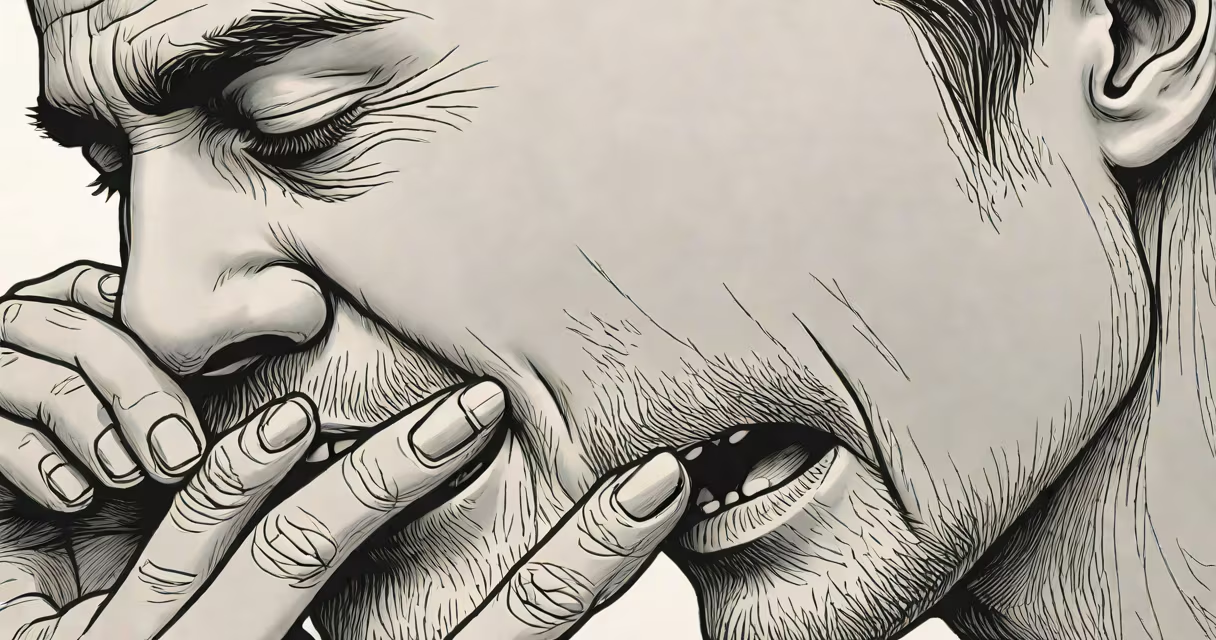
Lower molar pain is sharp or dull discomfort originating in one of the four molars located in the lower jaw, typically caused by decay, infection, trauma, or impacted wisdom teeth. It may radiate to the ear, neck, or temple and worsen with chewing or temperature changes.
These teeth bear the brunt of daily biting forces and often go unnoticed until symptoms appear. The pain stems from inflammation of the pulp-the soft tissue inside the tooth containing nerves and blood vessels-when bacteria invade through cavities or cracks. Left untreated, infection can spread to the root tip and surrounding bone.
According to the American Dental Association, untreated tooth decay affects nearly 90% of adults by age 40. Lower molars are especially vulnerable due to their position and complex root structure, which makes cleaning difficult. A 2021 study in the Journal of Oral Rehabilitation found that 68% of patients reporting molar pain had undiagnosed caries on bitewing X-rays.
Pain begins when pressure builds inside the tooth due to infection or inflammation. The pulp expands within the rigid tooth chamber, compressing nerve endings. This creates throbbing or constant ache, often worse at night when blood flow increases to the head.
Common triggers include hot or cold foods, pressure from chewing, or lying flat. Some people report a bitter taste or swelling in the gum near the affected tooth. A visible hole or dark spot on the tooth surface may indicate decay.
One patient I treated had persistent lower molar pain for six weeks. He avoided eating on that side and developed a fever. An X-ray revealed a large cavity extending into the root canal. After root canal therapy, his pain resolved within 48 hours.
Lower molar pain falls into several distinct categories based on origin:
| Type | Typical Cause | Key Symptom | Prevalence |
|---|---|---|---|
| Decay-related | Cavity penetrating pulp | Dull ache, sensitivity to sweets | ~55% of cases |
| Impacted wisdom tooth | Tooth trapped under gum or bone | Swelling, jaw stiffness, referred pain | ~30% |
| Cracked tooth syndrome | Fissure in enamel or dentin | Pain on biting, intermittent sharpness | ~10% |
| Referred pain | From sinus, jaw joint, or heart | Non-localized, may mimic toothache | ~5% |
Wisdom teeth are the most frequent cause of lower molar pain in people aged 18-25. The American Association of Oral and Maxillofacial Surgeons reports that 85% of wisdom teeth require removal due to impaction or crowding.
A common misconception is that all toothaches stem from cavities. In reality, cracked teeth or periodontal disease can produce similar symptoms. A 2019 study in the Journal of Endodontics showed that 22% of patients diagnosed with "toothache" actually had asymptomatic cracked teeth on cone-beam CT scans.
Lower molar pain can originate outside the mouth. Temporomandibular joint (TMJ) disorders cause pain that feels like it's coming from the molar but results from jaw muscle tension or joint misalignment. Symptoms include clicking sounds, limited jaw movement, and pain during yawning.
Referred pain from the sinuses is another hidden source. The maxillary sinuses sit above the upper molars, but inflammation can create pressure that mimics lower molar pain. A 2020 review in the International Journal of Dentistry found that 14% of patients with unexplained molar pain had chronic sinusitis.
Heart attacks can present as jaw pain, including in the lower molar region. Women are more likely to experience atypical symptoms. The American Heart Association notes that jaw pain during exertion-especially with shortness of breath or nausea-requires immediate medical evaluation.
Dentists begin with a clinical exam, probing for tenderness, checking for mobility, and using a cold test to assess pulp vitality. Radiographs confirm decay, root infections, or impacted teeth. For suspected cracks, a transillumination test with a light source may reveal dark lines.
Treatment depends on the cause. Decay requires a filling or crown. Pulpitis may need root canal therapy. Impacted wisdom teeth usually require surgical extraction. Cracked teeth may be stabilized with a crown or, in severe cases, removed.
For mild pain, over-the-counter NSAIDs like ibuprofen reduce inflammation and relieve discomfort. A warm saltwater rinse can soothe irritated gums. Avoid hard or sticky foods that increase pressure on the tooth.
Seek care if pain lasts more than 48 hours, occurs with swelling, fever, or difficulty opening your mouth. Delaying treatment risks spreading infection to the jawbone or bloodstream.