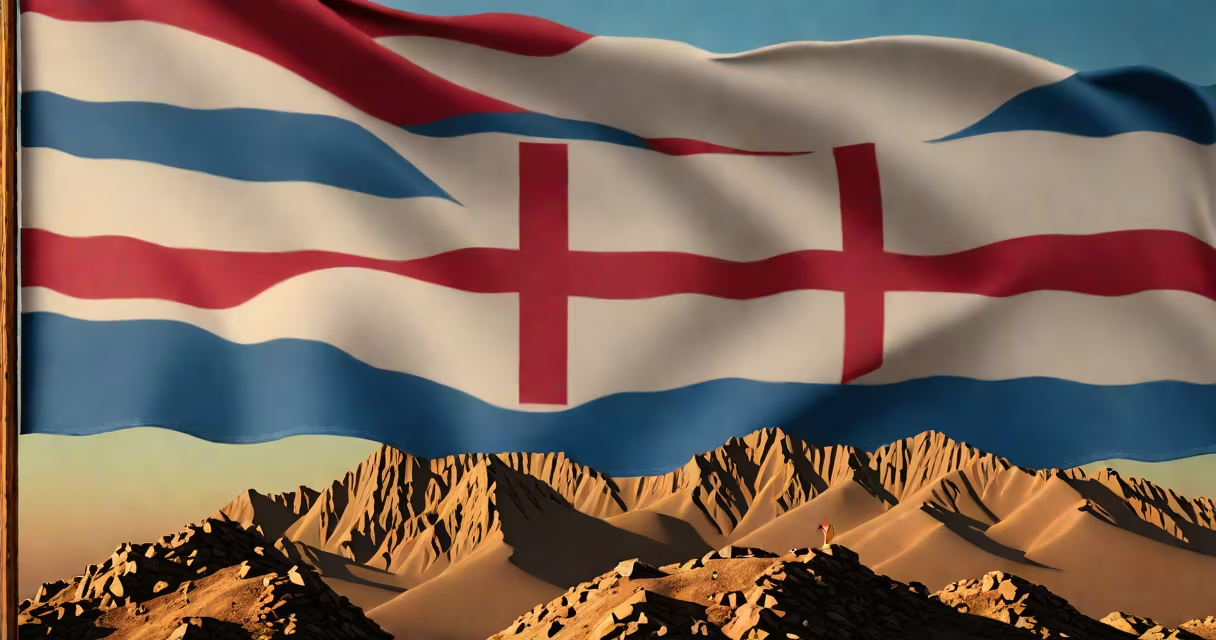
"what is my name as a flag" refers to the concept of assigning a symbolic name and visual identity to a person or group through a banner or emblem rooted in spiritual belief, particularly within Christian traditions emphasizing divine calling and personal mission.
These flags are not military or national emblems. They are devotional objects used in worship, prayer gatherings, and personal reflection. Each design incorporates scripture, symbols, and names believed to represent God's assignment for an individual or community.
The practice draws from biblical precedent. In Exodus 16:4, God tells Moses, "I will rain down bread from heaven for you." The Israelites were given manna-and a name-for their daily provision. Similarly, in Isaiah 43:1, God says, "Do not fear, for I have redeemed you; I have called you by name." This naming is foundational to identity in faith.
Each flag functions as a visual declaration of identity, purpose, and allegiance. The name written on the flag is often derived from scripture, a personal vision, or a prophetic utterance. It may be a biblical name (like "Ephraim" or "Miriam"), a title (such as "Son of Light" or "Bearer of Peace"), or a phrase from a prayer or prophecy.
Design elements carry meaning. A red cross may symbolize sacrifice. A dove represents the Holy Spirit. The color blue often signifies heaven or divine revelation. Text is typically in Latin, Greek, or Hebrew, or in the native language of the creator.
When displayed during prayer meetings, retreats, or personal devotion, the flag serves as a focal point. It reminds the wearer or viewer of their role in God's plan. Some believers carry them during missions, wear them as sashes, or hang them in homes as daily reminders of their spiritual assignment.
There are three primary forms of name-as-flag, each serving distinct purposes:
| Type | Description | Use Case |
|---|---|---|
| Personal Mission Flag | Created by an individual based on a perceived divine assignment. Often includes a name, symbol, and scripture verse. | Worn during prayer walks, used in personal devotions, or displayed in home altars. |
| Community or Church Banner | Designed collectively by a congregation. Reflects shared identity, mission, or theme. | Used during worship services, processions, or outreach events. |
| Prophetic or Vision-Based Flag | Generated from a dream, vision, or spoken word. May contain cryptic symbols or untranslated script. | Stored or displayed in private settings; sometimes interpreted by spiritual leaders. |
One example is the "Name of Jesus" flag used in Pentecostal and charismatic circles. These are often hand-stitched with the Aramaic form of Jesus' name, "Yeshua," and feature a flame above the letters. According to the New International Version of Acts 4:12, "There is no other name under heaven given to mankind by which we must be saved." This verse anchors the flag's significance.
Many assume that "my name as a flag" refers to a physical flag flown in public spaces. That is incorrect. These are not political or national symbols. They are not intended for display in parades or government buildings.
Another misunderstanding is equating the flag with ownership of a name. The name on the flag is not a claim to power. It is a declaration of surrender. As Paul writes in Galatians 2:20, "I have been crucified with Christ and I no longer live, but Christ lives in me." The flag reflects that identity, not dominance.
A key distinction: the flag is not a magical talisman. It does not grant protection or authority on its own. Its power lies in the believer's relationship with God. The name is meaningful only because of the covenant behind it.
In 2018, a small church in rural Tennessee began a weekly prayer gathering centered around personal flags. Each member received a blank canvas and was asked to write their name as they understood it spiritually-based on a Bible verse, a dream, or a moment of clarity.
One woman, Sarah, wrote "Daughter of Zion" in gold thread. She had seen a vision of Jerusalem's gates opening at dawn. Her flag included a stylized city gate and the Hebrew word "Tzion." She carried it during her morning prayers for six months. Over time, she reported increased focus in her intercession and deeper connection to her sense of belonging.
This aligns with research from the Pew Research Center's 2021 survey on religious practices, which found that 43% of evangelical Christians engage in ritual-based personal expressions of faith, including symbolic clothing and objects. While not all use flags, the trend supports the idea that tangible symbols reinforce internal identity.
"what is my name as a flag" is not about aesthetics. It's about identity formation. In a culture where people frequently change themselves through social media, job titles, or affiliations, the flag offers a counter-narrative: your name is known by God first.
As theologian John Piper notes in Desiring God, "The most important thing about you is not what you do, but who you are in Christ." The flag becomes a physical anchor for that truth.
During a retreat in 2022, a group of young adults in Oregon created flags based on their baptismal names and associated scripture. One participant, Marcus, chose "Beloved" from 1 John 3:1. He later said, "For the first time, I didn't feel like I had to earn love. I just had to remember it."
That moment-of recognition, not performance-is the core of the practice. The flag is not a tool for success. It's a mirror for the soul.
Understanding your name as a flag begins with listening. Not to crowds, not to algorithms, but to the quiet voice that says, "I know you. You are mine."