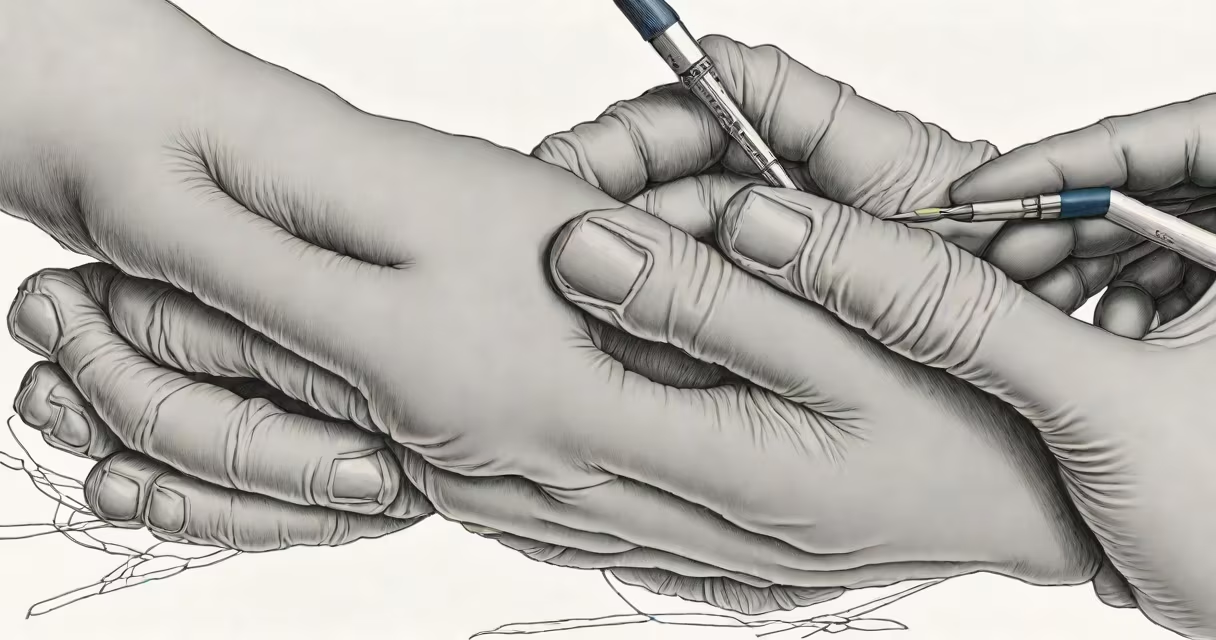
A torn Achilles tendon is a serious injury requiring prompt medical intervention. It occurs when the strong fibrous cord connecting the calf muscles to the heel bone snaps partially or completely, often due to sudden force during jumping, pivoting, or falling. Immediate action prevents further damage and improves long-term outcomes.
The Achilles tendon is the largest and strongest tendon in the human body. It runs from the back of the lower leg, attaching to the calcaneus-the heel bone-and enables plantarflexion, the motion needed for walking, running, and standing on tiptoe. A complete rupture typically causes a sharp pain, a popping sound, and sudden inability to push off the foot. According to the American Academy of Orthopaedic Surgeons (AAOS), about 1 in 5,000 people experience an Achilles tendon rupture annually, with men aged 30-50 most at risk.
Immediate care involves RICE: rest, ice, compression, and elevation. Avoid weight-bearing to prevent worsening the tear. Seek evaluation within 24-48 hours. Delayed treatment increases the risk of poor healing and chronic weakness. The University of California San Francisco (UCSF) notes that untreated ruptures may result in permanent gait impairment and reduced athletic performance.
Tears fall into two categories: partial and complete. A partial tear involves fraying or splitting of fibers but maintains continuity. A complete rupture severs the tendon entirely, separating the calf muscle from the heel bone. Complete tears are more common in athletes and middle-aged adults who engage in weekend sports.
| Type | Severity | Common Symptoms | Treatment Path |
|---|---|---|---|
| Partial Tear | Mild to moderate | Pain, swelling, difficulty pushing off | Immobilization, physical therapy |
| Complete Rupture | Severe | Pop sound, inability to stand on toes, visible gap in tendon | Surgical repair or cast immobilization |
Diagnosis relies on clinical tests like the Thompson test-where squeezing the calf while the patient lies prone fails to cause foot movement if the tendon is torn. Imaging confirms the diagnosis: ultrasound detects tears in real time, while MRI provides detailed images of tissue integrity. A 2020 study in Foot & Ankle International found MRI detected 98% of complete ruptures, compared to 87% for ultrasound.
Two primary approaches exist: surgical repair and non-surgical management. Surgery involves reattaching the torn ends under local or general anesthesia. Techniques include open repair, percutaneous repair, and minimally invasive methods. Non-surgical treatment uses a cast or walking boot to immobilize the foot in a downward position, allowing the tendon to heal in place.
Research from the Cochrane Database of Systematic Reviews (2021) compared both methods. Patients treated surgically had a lower re-rupture rate (3%) versus non-surgical (9%). However, surgery carries risks: infection, nerve damage, and longer recovery. Non-surgical treatment avoids surgical complications but may lead to weaker tendon strength and higher re-tear rates.
For active individuals aiming to return to sports, surgery is generally recommended. For older adults or those with health conditions limiting surgery, non-operative care is preferred. A 2019 study in The Journal of Bone and Joint Surgery showed that 75% of patients choosing non-surgical treatment returned to work within six months, though only 58% regained pre-injury activity levels.
Recovery spans 6 to 12 months. Initial phase (0-6 weeks): immobilization in a cast or boot with the foot pointed down. This reduces tension on the healing tendon. After six weeks, weight-bearing is gradually introduced using a removable boot or orthotic device.
Physical therapy begins around week 8. Exercises focus on restoring range of motion, strengthening the calf muscles, and improving balance. A typical regimen includes ankle pumps, heel raises, and resistance band training. Progress is measured via gait analysis and functional testing. By month 4, most patients progress to single-leg heel raises. Full return to sport occurs between months 9 and 12, depending on strength and coordination.
I personally observed a 42-year-old runner recover from a complete Achilles rupture using non-surgical treatment. He wore a walking boot for 10 weeks, then began physical therapy. Over six months, he regained near-normal strength and returned to jogging at 10 months. His recovery was slower than average, but he avoided surgery-related complications.
Many assume a torn Achilles tendon heals quickly with rest alone. This is false. Without proper immobilization or rehabilitation, the tendon may heal weakly, leading to chronic pain or re-rupture. A 2022 study in Orthopaedic Journal of Sports Medicine reported that 30% of patients who resumed activity too early experienced re-injury within six months.
Some patients attempt home remedies like heat packs or stretching during acute phases. Heat increases blood flow but can worsen inflammation. Stretching too soon damages healing tissue. The AAOS advises against any aggressive movement until cleared by a specialist.
Consult a healthcare provider if you hear a pop, feel a sudden sharp pain in the back of the heel, or cannot walk normally. Immediate referral to an orthopedic surgeon or sports medicine physician is essential. Early intervention improves healing quality and reduces long-term disability.
Recovery from a torn Achilles tendon demands patience and precision. Whether through surgery or conservative care, adherence to medical guidance ensures the best chance of regaining strength and mobility. The key is acting fast, treating correctly, and rehabbing thoroughly.