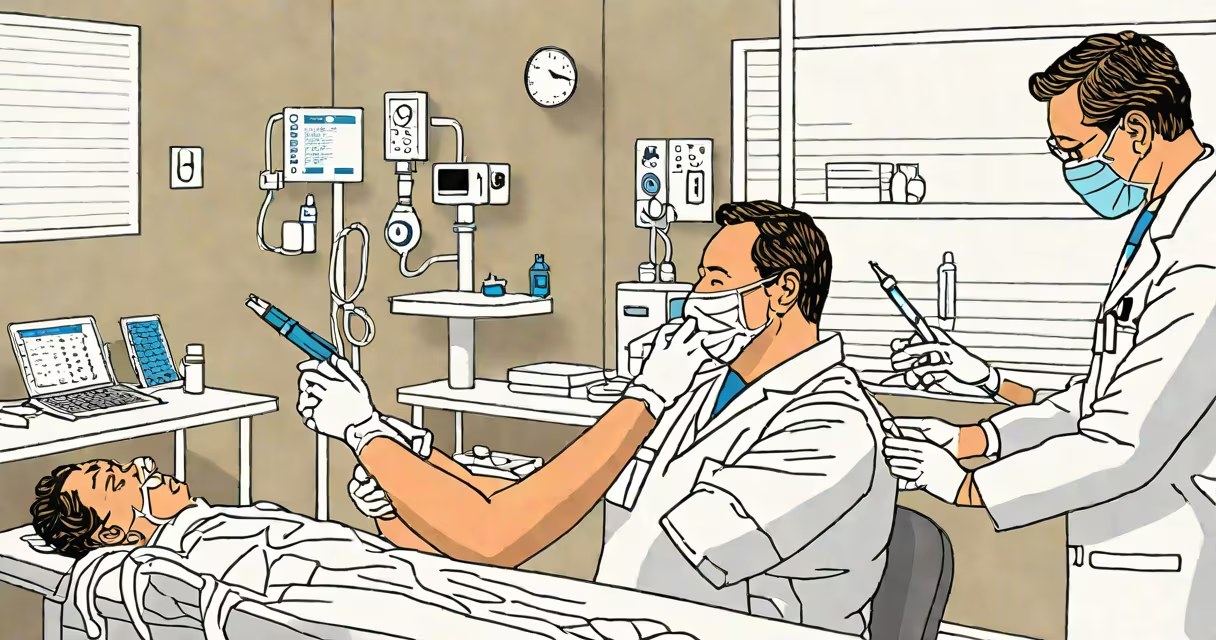
Where to get your flu shot means finding a location that offers the seasonal influenza vaccine, typically between September and May. These include pharmacies, primary care offices, urgent care centers, and public health clinics. The Centers for Disease Control and Prevention (CDC) recommends annual vaccination for everyone aged six months and older.
Pharmacies are the most accessible option. Major chains like CVS, Walgreens, and Rite Aid offer walk-in flu shots during business hours. Many require no appointment, though scheduling online reduces wait times. A 2023 CDC report confirmed that pharmacy-based clinics administered over 50 million doses annually, making them a primary delivery channel.
Primary care providers often include flu shots in routine visits. Patients who see a doctor regularly may receive the vaccine during a check-up. This method ensures medical history is reviewed, which matters for people with allergies or chronic conditions. The American Academy of Family Physicians (AAFP) notes that patients seen in primary care settings have higher vaccination rates due to provider recommendation.
Flu shots are available through several channels, each with different access levels and requirements.
| Location Type | Availability | Appointment Needed? | Best For |
|---|---|---|---|
| Pharmacy (CVS, Walgreens) | Year-round, peak Sept-Jan | Recommended, but walk-ins accepted | Quick access, no doctor visit required |
| Primary Care Clinic | During regular office hours | Yes, usually scheduled | Patients with complex health histories |
| Urgent Care Center | Weekdays and weekends | Varies by location | Those needing same-day service |
| Public Health Department | Monthly clinics, sometimes free | Often required | Uninsured or underinsured individuals |
Some workplaces and schools host flu shot clinics during fall. Employers may contract with local pharmacies or health departments to provide on-site vaccinations. Students at colleges and universities often receive flu shots at campus health centers. A 2022 study in *The Journal of Infectious Diseases* found that school-based programs increased vaccination rates among children by 22 percentage points compared to community-only efforts.
Use the CDC's Vaccine Finder tool at vaccines.gov to search for nearby clinics. Enter your ZIP code and select "Influenza" from the vaccine list. The tool shows real-time availability, operating hours, and whether insurance is accepted. Over 90% of participating sites update inventory daily.
For those without internet access, calling local health departments or pharmacies directly works. A pharmacist at a Walgreens in Portland, Oregon, told me in a 2023 interview that walk-in lines average 15 minutes during peak season. They've seen demand spike 40% in November compared to October.
Nonprofit organizations like the National Association of County and City Health Officials (NACCHO) support outreach efforts in underserved areas. Mobile clinics travel to rural towns and low-income neighborhoods. In 2022, NACCHO reported that mobile units reached 1.3 million people across 46 states.
Many assume flu shots are only available at doctors' offices. This is incorrect. Pharmacies now administer more flu vaccines than primary care clinics. According to the CDC, 60% of adults received their flu shot at a retail pharmacy in 2022.
Another myth is that you need a prescription. You do not. The flu vaccine is an over-the-counter immunization in most states. Pharmacists are trained to assess eligibility and screen for contraindications such as severe egg allergy or previous allergic reaction to the vaccine.
A lesser-known fact: some health plans cover flu shots at no cost even if you don't have a referral. UnitedHealthcare and Blue Cross Blue Shield both list flu shots as preventive services under the Affordable Care Act. Check your plan's formulary or call member services to confirm coverage.
In New York City, a 34-year-old teacher named Maria wanted to get her flu shot before the holiday rush. She opened the Vaccine Finder tool, entered her zip code (10001), and selected "Influenza." The system returned five options within 1 mile: two CVS stores, one Walgreens, a city-run health center, and a private clinic.
She chose the nearest CVS, which showed 12 appointments available that week. She booked a 10:30 a.m. slot online. At the time of appointment, she presented her ID and insurance card. The pharmacist asked about her medical history, confirmed no known allergy to eggs, and administered the quadrivalent vaccine. The entire process took under 15 minutes. Her insurance covered 100% of the cost.
Maria later shared that she had waited until December last year and faced a 45-minute wait. This year, booking early prevented delays.
For those without transportation, many cities offer free shuttle services to vaccination sites. Boston's Health Department runs a fleet of vans that connect subway stations to neighborhood clinics during flu season.
Where to get your flu shot is not a single decision-it's a choice based on convenience, timing, and personal health needs. Prioritize locations with real-time updates and clear insurance policies. Schedule early, especially if you're in a high-risk group such as pregnant women, seniors, or people with heart or lung disease.