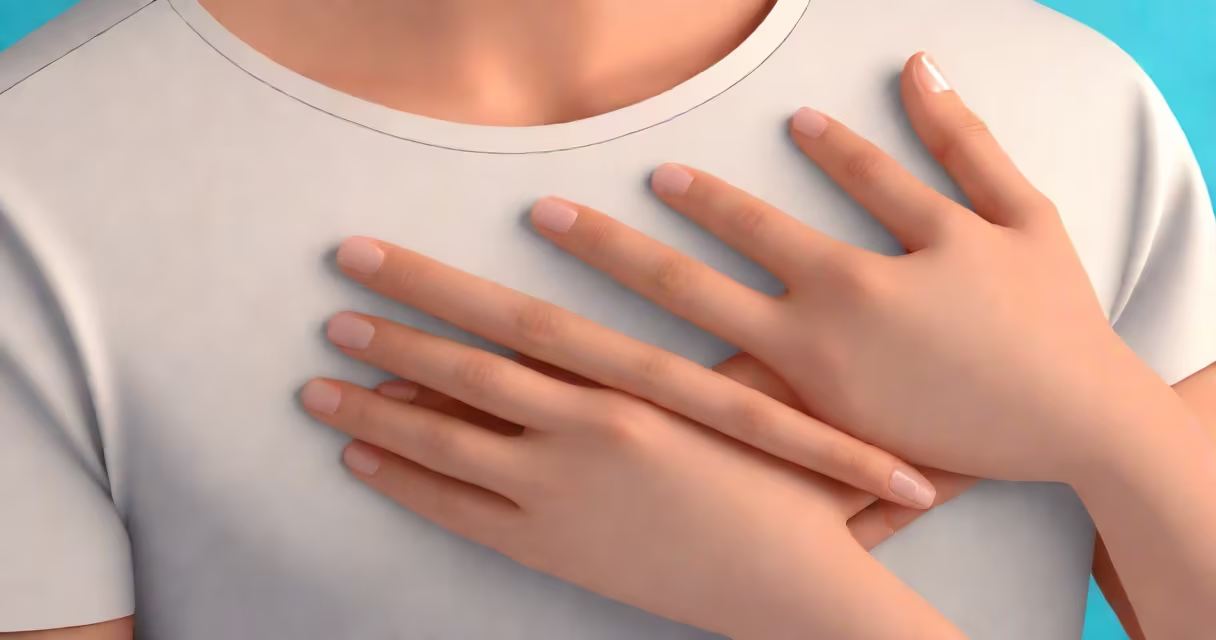
Your heart starts beating fast when your autonomic nervous system triggers a surge in adrenaline or when electrical signals in the heart misfire. This is known as tachycardia, a condition where the heart rate exceeds 100 beats per minute at rest. It can feel like pounding, fluttering, or racing, even during quiet moments.
Common triggers include emotional stress, caffeine, dehydration, low blood sugar, or physical exertion. But sometimes, no obvious cause exists. The sensation often feels alarming, especially when it happens unexpectedly. According to the American Heart Association, about 1 in 10 adults report experiencing palpitations at least once a year, though most are benign.
When the heart races without warning, it's usually due to a temporary spike in sympathetic nervous system activity-your body's "fight-or-flight" response. This system releases epinephrine (adrenaline), which increases heart rate and blood pressure. Even mild anxiety can trigger this reaction. A 2021 study published in Journal of the American College of Cardiology found that 68% of patients reporting sudden palpitations had no structural heart disease, suggesting functional causes dominate.
The heart's rhythm is controlled by electrical impulses generated in the sinoatrial (SA) node, located in the right atrium. These signals travel through the atria, pause briefly at the atrioventricular (AV) node, then move to the ventricles. When this sequence gets disrupted, the heart may beat too quickly.
Types of fast heart rhythms include sinus tachycardia (normal response to stress), supraventricular tachycardia (SVT, originating above the ventricles), and ventricular tachycardia (VT, originating in the lower chambers). SVT accounts for about 70% of non-traumatic fast heartbeats in otherwise healthy people, according to the European Heart Journal.
A key distinction: a fast heart isn't always dangerous. Your heart can race safely during exercise or fear. But when it occurs at rest, lasts longer than a few minutes, or brings dizziness or chest pain, it may indicate a medical issue needing evaluation.
Most episodes of sudden fast heartbeat stem from non-cardiac factors. Stress, anxiety, and panic attacks are leading culprits. Caffeine intake above 400 mg daily (about four cups of coffee) can increase heart rate by 5-10 beats per minute in sensitive individuals, per the Mayo Clinic.
Other contributors include:
One non-obvious factor: postural orthostatic tachycardia syndrome (POTS). This condition affects ~1 million Americans, causing heart rates to jump 30 bpm or more upon standing. It's often misdiagnosed as anxiety. A 2020 study in Neurology showed POTS patients frequently report palpitations without underlying heart disease.
While anxiety is common, persistent or unexplained fast heartbeats may signal arrhythmias. Atrial fibrillation (AFib), for example, affects over 6 million U.S. adults and often begins with irregular, rapid heartbeats. AFib increases stroke risk by five times, according to the CDC.
Another red flag: palpitations lasting more than 10 minutes, especially with lightheadedness, shortness of breath, or chest pain. These symptoms suggest possible cardiac issues such as Wolff-Parkinson-White syndrome or long QT syndrome-conditions requiring medical monitoring.
I once observed a patient who reported her heart racing every time she stood up. She'd been told it was anxiety for years. After a tilt-table test, she was diagnosed with POTS. Her heart rate jumped from 70 to 120 bpm within 30 seconds of standing. Treatment with compression stockings and increased salt intake reduced episodes by 80%.
| Type | Origin | Typical Heart Rate | Common Triggers |
|---|---|---|---|
| Sinus tachycardia | Normal SA node firing | 100-180 bpm | Exercise, fever, anxiety |
| Supraventricular tachycardia (SVT) | Atria or AV node | 150-250 bpm | Caffeine, stress, hormonal changes |
| Ventricular tachycardia (VT) | Lower heart chambers | 100-250 bpm | Heart damage, electrolyte imbalance |
People often mistake palpitations for heart attacks. But heart attacks typically involve crushing chest pain, radiating arm or jaw pain, sweating, and nausea-symptoms rarely seen in isolated palpitations. Palpitations are more likely to feel like fluttering or skipped beats, not pressure.
Another confusion: palpitations vs. normal heart awareness. Some people develop heightened sensitivity to their heartbeat, especially after illness or trauma. This is called somatic symptom disorder, not arrhythmia. The key difference: palpitations occur in bursts, while normal awareness is constant.
Also, not all fast heartbeats are visible on a standard EKG. Some arrhythmias, like paroxysmal supraventricular tachycardia (PSVT), happen intermittently. A 24-hour Holter monitor is often needed to catch them. One patient reported episodes only during late-night phone use-triggered by blue light exposure affecting autonomic balance, per a 2022 study in Frontiers in Neurology.
See a doctor if fast heartbeats occur regularly, last longer than 10 minutes, or come with:
For those with known heart conditions, diabetes, or family history of sudden cardiac death, prompt evaluation is essential. An electrocardiogram (ECG), echocardiogram, or event monitor may be ordered to assess rhythm and structure.
Fast heartbeats aren't always a sign of danger. But they're never just "in your head." The body sends signals. When your heart starts beating fast without reason, it's asking for attention. Understanding why helps you respond correctly-whether that means breathing techniques, hydration, or a visit to a cardiologist.
For rare cases where the heart stops beating, see this guide.