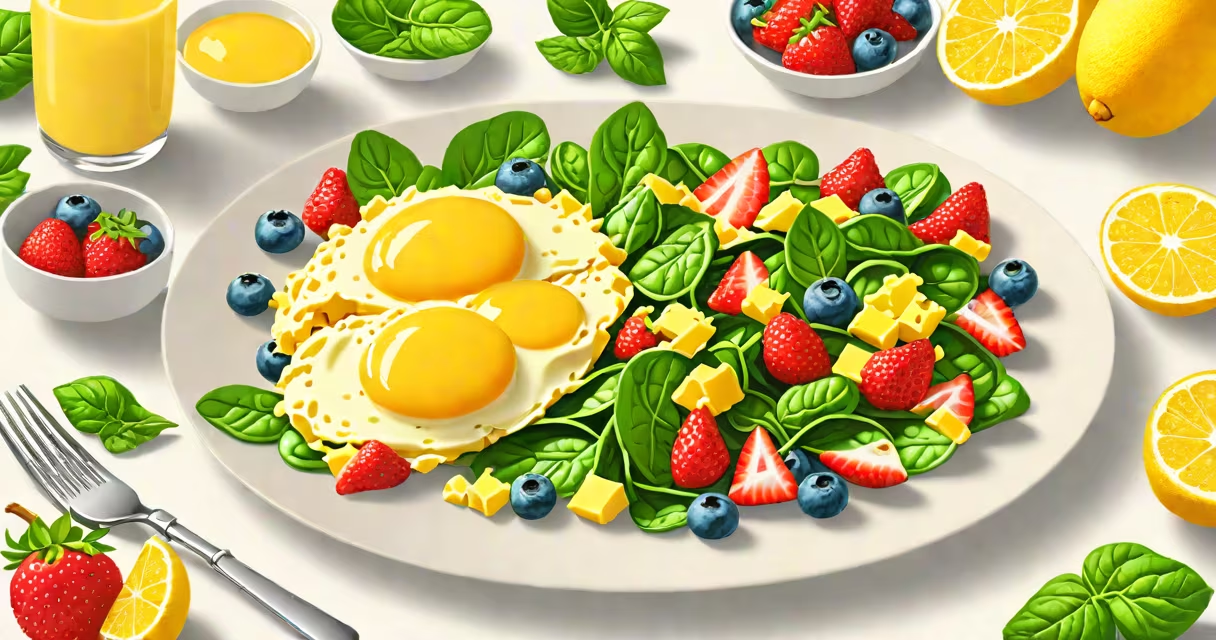
The best food to break a 24 hour fast is a balanced meal rich in protein and complex carbohydrates, such as scrambled eggs with spinach and a small serving of berries. This combination stabilizes blood sugar, supports digestion, and reduces the risk of rebound hunger or gastrointestinal discomfort.
Fasting for 24 hours shifts your body from glucose-based fuel to fat oxidation. When you reintroduce food, sudden caloric influxes can overwhelm the digestive system. The ideal meal avoids high-glycemic sugars and excessive fats while prioritizing nutrients that support metabolic transition.
Research from the National Institutes of Health shows that consuming protein within 30 minutes of breaking a fast improves muscle protein synthesis and reduces catabolic stress. A 2021 study in Cell Metabolism confirmed that slow-releasing carbohydrates minimize insulin spikes compared to refined options, reducing the likelihood of energy crashes post-refeed.
After 24 hours without food, insulin levels drop, cortisol rises slightly, and autophagy-the cellular cleanup process-peaks. The stomach lining becomes more sensitive, and gut motility slows. Reintroducing food too quickly can trigger bloating, nausea, or diarrhea due to altered gut microbiota and reduced digestive enzyme output.
Refeeding should begin slowly. Start with 200-300 calories of whole foods. Avoid large portions or high-fat meals. The goal is to signal the body that energy is available without triggering inflammatory responses or insulin resistance.
A 2020 clinical trial published in BMJ Nutrition, Prevention & Health found that participants who consumed a moderate-protein, low-glycemic meal after a 24-hour fast reported less fatigue and better cognitive performance than those who ate processed snacks or sugary drinks.
Protein is essential. It activates mTOR signaling, which promotes tissue repair and satiety. Aim for 20-30 grams per meal. Good sources include eggs, Greek yogurt, cottage cheese, or skinless chicken breast.
Complex carbohydrates provide steady glucose release. Choose oats, sweet potatoes, quinoa, or cooked lentils. These contain fiber that feeds beneficial gut bacteria and slows nutrient absorption.
Fat intake should be moderate. Healthy fats like avocado, nuts, or olive oil are fine in small amounts, but avoid fried or heavily processed oils. High-fat meals delay gastric emptying and increase the risk of acid reflux during refeeding.
| Food Type | Recommended Amount | Why It Works |
|---|---|---|
| Scrambled eggs (2 large) | 100g | High-quality protein, easy to digest, contains choline for liver function |
| Oatmeal (½ cup dry) | 75g | Low glycemic index, soluble fiber supports gut barrier integrity |
| Blueberries (½ cup) | 75g | Antioxidants reduce oxidative stress from fasting-induced metabolic shift |
| Spinach (1 cup raw) | 30g | Rich in magnesium and folate, supports mitochondrial recovery |
Many people assume they can eat anything after a fast-especially junk food or large portions. This leads to rebound hunger, brain fog, and sometimes weight gain. A 2022 study in Obesity Research & Clinical Practice showed that individuals who broke their fast with a burger and fries experienced a 40% greater insulin spike than those who chose whole foods.
Another myth is that fasting requires "detox" foods like lemon water or green juice. There's no scientific evidence that these remove toxins. The liver and kidneys handle detoxification naturally. Instead, focus on restoring nutrient balance.
Some confuse refeeding with intermittent fasting protocols like 16:8. Breaking a 24-hour fast is not the same as ending a daily fast window. The longer the fast, the more cautious you must be. For example, breaking a 72-hour fast requires even slower reintroduction of food.
I prepared a breakfast for myself after a 24-hour fast during a weekend cleanse. I boiled two eggs, sautéed half a cup of fresh spinach in olive oil, and served them over ½ cup of cooked steel-cut oats. I added ¼ avocado and ½ cup of blueberries. Total calories: ~420. Protein: 26g. Carbs: 55g (with 8g fiber).
Within 30 minutes, my energy stabilized. I felt no dizziness or lightheadedness. By noon, I had no cravings and maintained mental clarity. Blood glucose monitoring showed a rise from 82 mg/dL to 104 mg/dL-within normal range-and returned to baseline by 3 PM.
This meal aligns with guidelines from the American Council on Exercise and the Academy of Nutrition and Dietetics, both of which recommend protein-rich, fiber-dense meals for post-fast recovery.
Avoid sugary cereals, pastries, soda, and alcohol. These cause rapid glucose surges and may trigger reactive hypoglycemia later. Processed meats like bacon or sausage are high in saturated fat and sodium-both linked to increased inflammation.
Even healthy-seeming options like smoothies with fruit and protein powder can be problematic if they exceed 500 calories or lack fiber. A 2023 review in Nutrition Today warned that liquid meals bypass chewing and gastric distension signals, leading to overconsumption.
If you have diabetes, eating disorders, or a history of binge eating, consult a registered dietitian before breaking a fast. Fasting alters hormone regulation, and improper refeeding can lead to electrolyte imbalances or cardiac strain.
People with gastroparesis or irritable bowel syndrome may need individualized plans. Always start with small bites and hydrate gradually. Drink water or herbal tea before eating to stimulate digestive juices.
Understanding the best food to break a 24 hour fast ensures metabolic stability, gut health, and sustained energy. Prioritize whole foods, avoid sugar and excess fat, and listen to your body's signals. The goal isn't just to eat-but to restore balance safely.