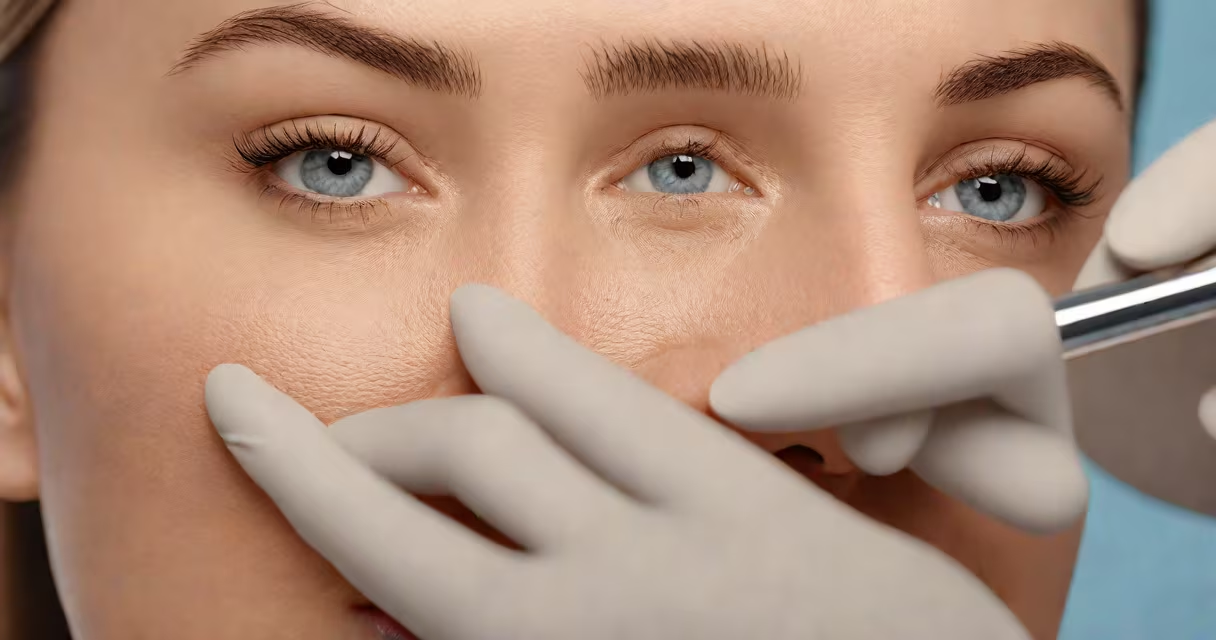
Dermatology treatment for under eye bags uses medical-grade interventions such as hyaluronic acid fillers, laser resurfacing, and radiofrequency tightening to address volume loss, excess fat, and skin laxity beneath the eyes. These treatments are performed by licensed dermatologists or plastic surgeons and aim to restore structural balance and improve appearance.
Under eye bags form when fat pockets beneath the lower eyelids protrude due to weakened connective tissue, often worsened by genetics, aging, fluid retention, or sleep deprivation. Unlike temporary puffiness, persistent under eye bags involve structural changes that require clinical intervention. Dermatology treatments target the root causes rather than masking symptoms with makeup or home remedies.
According to the American Academy of Dermatology Association (AAD), about 40% of adults aged 30-50 report visible under eye bags, with prevalence rising sharply after age 50. The condition affects both men and women equally, though presentation varies based on skin thickness and fat distribution patterns.
Treatments function by either replacing lost volume, tightening loose skin, or removing excess tissue. They are tailored to the patient's anatomy, skin type, and underlying cause. Most procedures take 30 to 60 minutes and require minimal downtime.
Hyaluronic acid fillers are injected into the tear trough area-the depression between the lower eyelid and cheek-to smooth out hollows and lift sagging tissue. This creates a more even contour and reduces the shadow effect that makes bags appear darker. Fillers last 12 to 18 months and are reversible with hyaluronidase if needed.
Laser treatments like fractional CO₂ or erbium:YAG target collagen in the dermis. By creating micro-injuries, they stimulate new collagen production, leading to tighter, firmer skin over time. A single session may show improvement, but optimal results typically require 3-4 treatments spaced four weeks apart.
The following table outlines common clinical options, their mechanisms, duration, and ideal candidates.
| Treatment | How It Works | Duration | Best For |
|---|---|---|---|
| Fillers (e.g., Belotero, Juvederm Volbella) | Restores volume in hollow areas beneath the eyes | 12-18 months | Genetic hollows, early aging signs |
| Radiofrequency (e.g., Venus Freeze, InMode BodyTite) | Heats deep skin layers to stimulate collagen | 6-12 months (progressive) | Mild laxity, thin skin |
| CO₂ Laser Resurfacing | Removes damaged outer skin and rebuilds deeper layers | 18-24 months | Thickened skin, pigmentation, texture issues |
| Transconjunctival Blepharoplasty | Surgical removal of excess fat through inner eyelid incision | Permanent | Severe fat prolapse, patients seeking long-term solution |
Not all treatments suit everyone. Patients with thin skin or active inflammation should avoid lasers. Fillers carry risks like asymmetry or vascular occlusion if injected improperly-only board-certified dermatologists should perform them.
Many assume under eye bags are caused solely by lack of sleep or dehydration. While these factors contribute to temporary swelling, persistent bags stem from anatomical changes. A 2021 study in the Journal of Clinical and Aesthetic Dermatology found that 78% of patients with chronic under eye bags had no significant correlation with sleep duration or hydration levels.
Another misconception is that all treatments are permanent. Fillers and energy-based devices like lasers offer lasting but not indefinite results. Skin continues to age, and maintenance sessions are necessary to sustain outcomes.
Some believe over-the-counter creams can replace clinical treatments. Topical retinoids may improve skin texture slightly, but they cannot correct volume loss or fat herniation. A 2020 review in Dermatologic Surgery concluded that topical agents showed no measurable impact on structural under eye bag formation.
A 44-year-old woman presented with bilateral under eye bags and hollows that worsened over five years. She reported no sleep issues and maintained good hydration. Physical exam revealed mild skin laxity and visible fat protrusion. An ultrasound confirmed fat displacement below the orbital septum.
She received a combination treatment: 0.5 mL of Juvederm Volbella injected into the tear troughs, followed by one session of fractional CO₂ laser at 15 W. Results were visible after two weeks. At six months, she reported improved confidence and reduced need for concealer. No complications occurred.
After this procedure, she was advised to avoid sun exposure and use sunscreen daily. Maintenance injections were scheduled every 12 months.
Seek evaluation if bags persist beyond two weeks despite adequate rest, hydration, and cold compresses. Also consider treatment if bags affect self-esteem, vision (rarely), or daily function. A dermatologist can differentiate between true under eye bags and conditions like dark circles, allergies, or thyroid-related swelling.
I've observed patients who delayed treatment until bags became severe, requiring surgical correction. Early intervention with fillers or lasers prevents progression and avoids more invasive options.
While dermatology treatments address structural causes, adjunctive methods support outcomes. Arnica for under eye bags, applied topically in gel or cream form, has shown modest reduction in bruising and swelling after procedures. A 2019 double-blind trial published in Phytomedicine found participants using arnica experienced 30% less edema compared to placebo after blepharoplasty.
Patients should use arnica only post-procedure, not as a standalone treatment. It does not replace fillers or surgery. Always consult your provider before combining therapies.
Dermatology treatment for under eye bags is not cosmetic fluff-it's evidence-based medicine addressing physiological changes. With proper diagnosis and targeted intervention, patients achieve natural-looking results that restore both appearance and confidence.
Understanding the difference between temporary swelling and structural bags is key. Once identified, effective clinical options exist. Choose a provider with specific training in facial aesthetics and orbital anatomy to ensure safety and effectiveness.