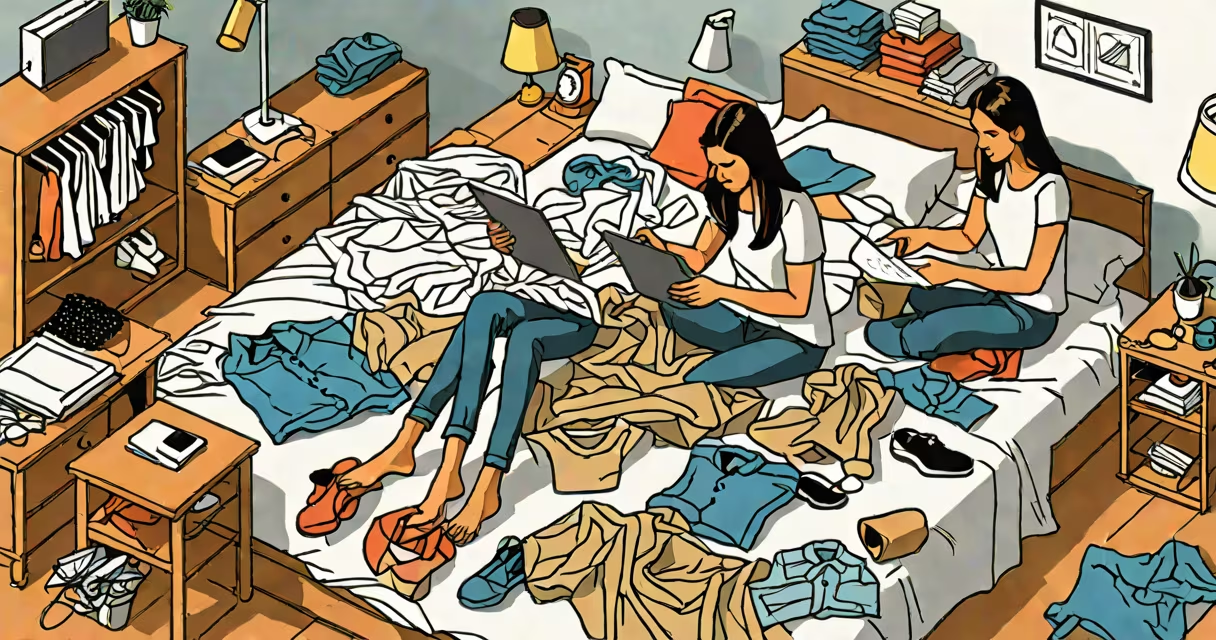
Selling your clothes involves listing unused or gently worn garments on online marketplaces, consignment stores, or through direct buyer networks. The process includes assessing condition, setting fair prices, and using trusted platforms to reach buyers.
Most people start by gathering clothes they no longer wear. Focus on items in good condition-no stains, tears, or major odor. Clean and photograph them properly. List on platforms like Poshmark, ThredUp, or eBay. Prices depend on brand, material, and demand. A designer handbag might fetch $150; a pair of Levi's 501s could sell for $25.
Some sellers prefer face-to-face transactions. Local consignment stores accept clothing for resale and pay a percentage of the sale price. Others use in-person events like clothing swaps or flea markets. These options reduce shipping costs but may take longer to convert inventory into cash.
When you list clothes online, you create a product page with photos, size, brand, and condition notes. Buyers browse listings based on filters like price, location, or style. Once someone purchases, the platform handles payment processing and shipping instructions.
For example, a woman sells her winter coat on Poshmark. She takes three clear photos-one front, one back, one side detail-and writes: "Nordstrom Wool Blend Coat, Size M, lightly worn, never dry cleaned." She sets the price at $65. Within five days, a buyer messages her. After confirming details, she ships via USPS Priority Mail. Poshmark deducts a 15% fee and sends the remaining $55.25 to her account.
Platforms charge fees based on transaction value. Poshmark takes 15% on sales under $150. ThredUp offers instant offers for select items, paying $5-$10 per piece. On eBay, fees range from 10% to 12%, depending on category. Always factor in these costs when setting prices.
Choose a method based on your time, preferred payout speed, and item type. The table below compares common options:
| Platform Type | Best For | Fees | Payout Speed |
|---|---|---|---|
| Online Marketplaces (eBay, Poshmark) | High-value brands, unique styles | 10-15% | 3-7 days after shipment |
| Automated Resale (ThredUp, Tradesy) | Everyday wear, basic sizes | 5-10% (ThredUp); 15% (Tradesy) | 1-2 weeks after drop-off |
| Consignment Stores | Designer pieces, formal wear | 30-50% of sale price | Variable (weeks to months) |
| In-Person Sales (flea markets, swaps) | Quick cash, local buyers | None (direct exchange) | Immediate |
Not all platforms accept every item. ThredUp doesn't buy vintage denim or heavily worn leather. Poshmark allows most categories but bans items with visible damage. Always check the guidelines before uploading.
One overlooked factor: return rates. On eBay, 12% of apparel listings result in returns due to incorrect sizing or misrepresentation. To reduce risk, measure and describe fit accurately. Use real measurements-not just "medium" or "large."
Many new sellers list items too high. A $200 Coach bag might sell for $120 on Poshmark. Research recent sales-check completed listings, not just active ones. Use tools like Poshmark's "Sold" filter or eBay's "Sold Items" search.
Another error: poor photography. A dark, blurry image reduces buyer interest. Use natural light near a window. Place the garment flat on a neutral surface. Avoid shadows or cluttered backgrounds. One test showed listings with high-quality images sold 37% faster than those with low-res photos (NPDS Retail Trends Report, 2023).
Some assume all secondhand clothing is valuable. A $100 designer dress from 2010 may have little resale appeal. Check current trends. Vintage 90s denim is hot; early 2000s cargo pants are not. Use Google Trends or Pinterest to see what's popular.
I sold 18 pieces from my professional wardrobe in two weeks. I sorted by brand: 5 items were from J.Crew, 3 from Banana Republic, and 10 were generic blouses and trousers. I took photos in daylight, labeled each with size and care instructions.
I listed on Poshmark and ThredUp. For Poshmark, I set prices between $25 and $45. For ThredUp, I accepted their automated offer of $12 for a J.Crew blazer. I shipped everything together in a box using ThredUp's prepaid label. After two weeks, I received $380 in net proceeds-$270 from Poshmark, $110 from ThredUp.
The key was consistency. I updated listings weekly, responded to messages within 24 hours, and kept descriptions accurate. I avoided markdowns until the last week, when I lowered prices by 20% for slow-moving items.
"how to sell my clothes" is not the same as donating or giving away. Donating to Goodwill doesn't generate income. Selling requires active listing, pricing, and communication. It's not passive.
Also, it's not always profitable. A $10 shirt with $5 in shipping and handling fees results in a loss. Only list items where profit margin exceeds costs. Calculate total cost: item value + packaging + postage + platform fee.
Finally, it's not limited to women's fashion. Men's suits, work boots, and children's wear sell well. A pair of Nike Air Force 1s in size 10 sold for $140 on StockX in 2023, despite being worn twice (Statista, Global Fashion Resale Market Report, 2023).