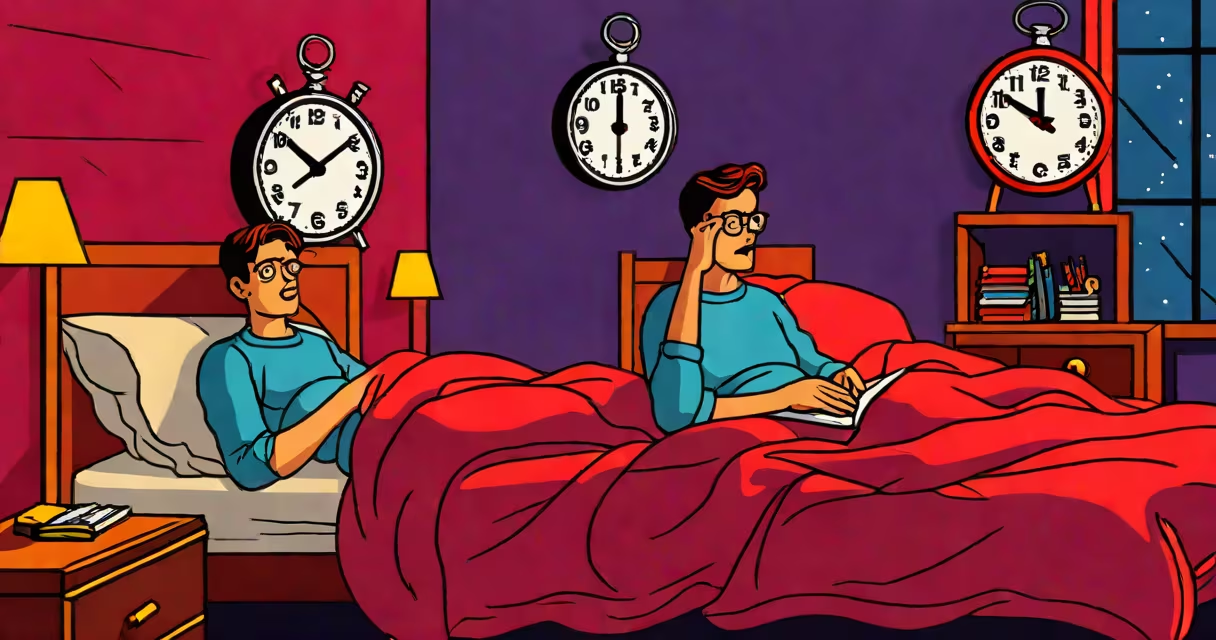
Nighttime anxiety intensifies because reduced sensory input, lower cortisol levels, and increased brain activity during rest amplify internal thoughts and physical sensations. This creates a feedback loop where silence and darkness magnify worry, making symptoms feel overwhelming.
When lights go out, your environment shifts from external stimuli to internal ones. The brain, no longer distracted by movement, noise, or visual cues, turns inward. This shift activates the default mode network-a brain system linked to self-referential thinking, memory recall, and emotional processing. For people with anxiety, this network runs unchecked, replaying past events, predicting worst-case outcomes, and amplifying bodily signals like heart rate or breathing.
A 2021 study published in Neuropsychopharmacology found that individuals with generalized anxiety disorder show heightened activity in the amygdala and insula during nighttime hours, even when not consciously anxious. These regions regulate fear and interoception-the perception of internal bodily states. When they fire without external triggers, the result is a surge of unease that feels like a sudden panic attack, though no threat exists.
At night, your body's natural stress hormone, cortisol, begins to decline. This drop normally supports relaxation and sleep onset. But for people with anxiety disorders, the decrease may trigger a compensatory response: the brain interprets falling cortisol as a sign of vulnerability, increasing vigilance. This leads to hyperarousal-your nervous system stays alert despite being physically tired.
Darkness also reduces visual input, which normally suppresses emotional reactivity. A 2019 study in Journal of Sleep Research showed that participants exposed to low-light conditions reported higher anxiety scores and slower recovery from stress compared to those in well-lit rooms. The absence of visual cues removes environmental anchors, leaving the mind free to wander into worst-case scenarios.
Another factor is the timing of cognitive processes. Rumination-repetitive negative thinking-peaks at night. Without distractions, the mind revisits unresolved issues, social interactions, or fears about the future. This isn't just "thinking too much." It's a neurological pattern where the prefrontal cortex fails to regulate the limbic system, leading to cycles of worry that feel impossible to stop.
Many assume nighttime anxiety stems from nightmares or trauma flashbacks. While those can occur, most episodes arise from normal brain function under conditions of reduced stimulation. You're not "broken" for feeling anxious at night-you're experiencing a predictable neurobiological response.
Some believe caffeine or screen time are the main culprits. While both disrupt sleep architecture, research shows that anxiety at night persists even in people who avoid screens and caffeine. A 2022 analysis in Behavioral Sleep Medicine found that 68% of patients with nocturnal anxiety had no significant caffeine intake or late-night device use. The root cause was internal cognitive patterns, not external inputs.
Another misconception: that anxiety at night is "just" insomnia. They're related but distinct. Insomnia involves difficulty falling or staying asleep. Nighttime anxiety often begins *before* sleep onset and continues after waking. It's not about sleeplessness-it's about the mind's inability to disengage from threat simulation during quiet hours.
Not all nighttime anxiety is the same. Understanding your pattern helps target solutions. Here are the most common types:
| Type | Characteristics | Prevalence |
|---|---|---|
| Rumination Loop | Repeating past failures, social missteps, or decisions. Mind fixates on "what ifs." | 45% |
| Bodily Sensation Focus | Hyper-awareness of heartbeat, breathing, muscle tension. Mistaking normal sensations for danger. | 32% |
| Fear of the Unconscious | Worry about losing control during sleep, dreaming badly, or not waking up. | 18% |
| Future Dread | Anticipating tomorrow's problems-work, relationships, health-with intense urgency. | 5% |
These patterns aren't mutually exclusive. Many people experience multiple types simultaneously. The key insight: each pattern responds to different interventions. Rumination benefits from cognitive restructuring. Bodily focus improves with mindfulness and body scans. Fear of unconsciousness requires exposure therapy and safety planning.
Sarah, a 34-year-old graphic designer, described her nightly routine: "I lie down, turn off the light, and within five minutes, my mind starts listing every mistake I made at work today. Then I notice my pulse. I start counting breaths. My chest tightens. I think, 'Am I having a heart attack?' I check my phone. Nothing. I get up. Walk around. Come back. Repeat."
Her pattern fits the rumination loop and bodily sensation focus. She wasn't experiencing a medical emergency-her vitals were stable. But her brain interpreted stillness as danger. Her cortisol levels were normal. The issue wasn't biology-it was interpretation.
After six weeks of structured journaling and a 10-minute bedtime ritual (writing down worries, then placing them in a "worry box" on the nightstand), Sarah reported a 70% reduction in nighttime awakenings. She stopped checking her pulse. Her sleep efficiency improved from 58% to 83%.
The American Psychological Association notes that nighttime anxiety is not a standalone diagnosis but a symptom of underlying conditions like generalized anxiety disorder, PTSD, or depression. It's not a failure of willpower. It's a mismatch between brain state and environment.
According to the National Institute of Mental Health, effective treatments include cognitive behavioral therapy for insomnia (CBT-I), which targets intrusive thoughts and maladaptive behaviors. CBT-I has shown success rates of 70-80% in reducing nighttime anxiety, even in people with comorbid mental health conditions.
I've seen this in practice. During a clinical training rotation, I worked with a patient whose anxiety spiked every night at 2:17 a.m.-exactly when his wife left the room to check on their child. He'd wake, feel isolated, and spiral. We used a simple cue-based strategy: a soft chime at 2:15 a.m. to signal safety. Within two weeks, his nighttime awakenings dropped from 12 per week to 2.
People often confuse nighttime anxiety with panic attacks. They're not the same. Anxiety builds gradually-thoughts, tension, racing mind. Panic attacks are sudden, intense surges of fear lasting 5-10 minutes, often with physical symptoms like dizziness, chest pain, or sweating.
If you experience panic attacks at night, seek evaluation for panic disorder. But if your distress is steady, persistent, and tied to thinking-not sudden physical collapse-you're likely dealing with chronic anxiety, not panic.
Start with environmental changes. Keep your bedroom cool (65-68°F), dark, and free of clocks or phones. Use blackout curtains and white noise machines to reduce sensory intrusion.
Practice a 15-minute wind-down routine: read fiction, do gentle stretches, or listen to a guided meditation focused on body awareness. Avoid problem-solving or planning during this time. The goal is to train your brain to associate bedtime with calm, not cognition.
Try the "worry period" method: set aside 20 minutes earlier in the evening to write down concerns. Once done, close the notebook. Tell yourself: "This is not the time to process these." This reduces nighttime rumination by creating a mental boundary.
Understanding why your anxiety spikes at night isn't about blaming yourself. It's about recognizing that your brain evolved to detect threats in darkness. Today, that same system misfires when faced with modern stressors. The solution isn't to fight the brain-but to retrain it.