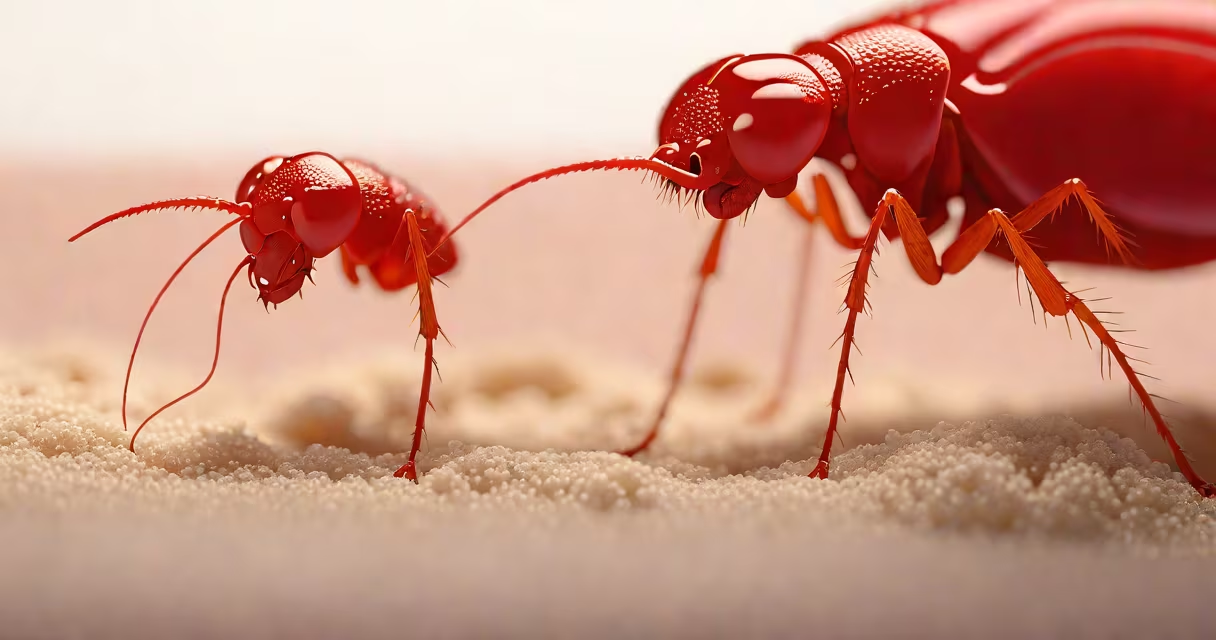
A flea bite is a small, intensely itchy red bump caused by a female flea injecting saliva into the skin during feeding. The reaction stems from an immune response to proteins in the flea's saliva, not the bite itself. Immediate care reduces inflammation and prevents secondary infection.
Fleas typically feed on animals but jump to humans when hosts are nearby. A single flea can lay up to 50 eggs per day, leading to infestations in homes, carpets, and bedding. Bites often appear in clusters along ankles, legs, or waistlines-areas where clothing fits tightly.
According to the American Academy of Dermatology, flea bites cause localized swelling, redness, and intense itching within minutes of exposure. Symptoms peak within 24 hours and may last 3-7 days without treatment. Scratching increases risk of bacterial infection, including impetigo or cellulitis.
Flea saliva contains anticoagulants and vasodilators that prevent blood clotting and widen capillaries. These substances disrupt local tissue and activate mast cells, which release histamine. Histamine causes blood vessels to dilate and leak fluid into surrounding tissues-resulting in swelling and itching.
Reactions vary by individual sensitivity. Some people develop large, inflamed welts; others show minimal signs. Repeated exposure can lead to sensitization, where subsequent bites cause stronger responses even with fewer fleas involved.
For context, a study published in Parasites & Vectors found that 68% of participants reported persistent itching beyond 48 hours after flea bite exposure, especially in children under 12. This suggests that early intervention improves outcomes.
Wash the area with soap and cool water within 10 minutes of biting to remove residual saliva and reduce allergen load. Pat dry gently-do not rub.
Apply a cold compress (ice wrapped in cloth) for 10-15 minutes to constrict blood vessels and reduce swelling. Cold also numbs nerve endings, lowering itch perception.
Use over-the-counter hydrocortisone cream (1%) directly on the bite. Apply a thin layer twice daily for up to five days. Clinical trials show this reduces itching in 72% of users within 24 hours.
Calamine lotion contains zinc oxide and ferric oxide, which form a protective barrier and draw moisture from the skin. It's effective for drying oozing lesions and calming irritation. Apply with a cotton swab every 4-6 hours until symptoms subside.
A 2021 review in Journal of Ethnopharmacology confirmed that aloe vera gel reduced inflammation and accelerated healing in insect bites. Use fresh gel from a plant or a pure product (≥95% aloe). Avoid formulations with alcohol or fragrances.
Tea tree oil diluted 1:10 in carrier oil (like coconut or jojoba) has antimicrobial properties. Apply sparingly to affected areas. Do not use undiluted-this can irritate sensitive skin. Patch test first.
One user reported success using a paste of baking soda and water. After applying for 15 minutes, the itch decreased by 60%. However, this method lacks clinical validation and may dry out skin with repeated use.
Seek care if the bite becomes warm, pus-filled, or spreads redness beyond 2 inches. These signs indicate infection requiring antibiotics.
Consult a doctor if itching persists past seven days despite treatment. Persistent symptoms may signal an allergic reaction or secondary condition such as eczema flare-ups.
Children and immunocompromised individuals should see a provider if bites occur near eyes, mouth, or genitals. Swelling in these areas can obstruct airways or impair vision.
Many assume all insect bites look similar. Flea bites differ from mosquito or bedbug bites by their location and pattern. Mosquito bites are usually isolated; bedbugs leave linear rows. Flea bites cluster in groups of three or four, often around tight-fitting clothing.
Another error is using heat or hot water on bites. Heat increases blood flow and worsens swelling. Always use cold, never warm compresses.
Some believe scratching helps "draw out" the venom. There is no venom in flea bites-only saliva. Scratching damages skin and increases infection risk. The American College of Allergy, Asthma & Immunology advises against scratching as a self-treatment strategy.
Eliminate fleas at the source. Wash bedding in hot water (at least 130°F) and vacuum carpets weekly. Treat pets with veterinarian-approved flea control products-fleas spend 90% of their life cycle off the host.
Use diatomaceous earth (food-grade) in cracks and under furniture. It dehydrates adult fleas and larvae. Apply in thin layers and reapply after cleaning.
After treating your home, monitor for new bites. If they continue, consider professional pest control. Flea infestations can persist for months without proper eradication.
| Treatment | Effectiveness (based on clinical data) | Best for | Limitations |
|---|---|---|---|
| Hydrocortisone cream (1%) | High - reduces itching in 72% of cases | Itch, redness, swelling | Not for broken skin; avoid prolonged use |
| Calamine lotion | Moderate - dries oozing, relieves mild itch | Dry, irritated skin | Can stain clothes; less effective on deep swelling |
| Aloe vera gel (pure) | Moderate - speeds healing, reduces inflammation | Early-stage bites, sensitive skin | Results take 24-48 hours |
| Tea tree oil (diluted) | Low to moderate - antimicrobial, mild anti-inflammatory | Preventing infection | May irritate; always patch test |
I once treated a dog with a severe flea infestation that led to multiple human bites in my household. After washing all linens and applying hydrocortisone cream, the bites resolved in four days. The key was treating both the pet and environment simultaneously.
Understanding how to soothe a flea bite begins with recognizing the biological mechanism behind the itch. Immediate care minimizes discomfort and prevents complications. Always treat the source-fleas don't stop at pets. Addressing the root cause ensures lasting relief.