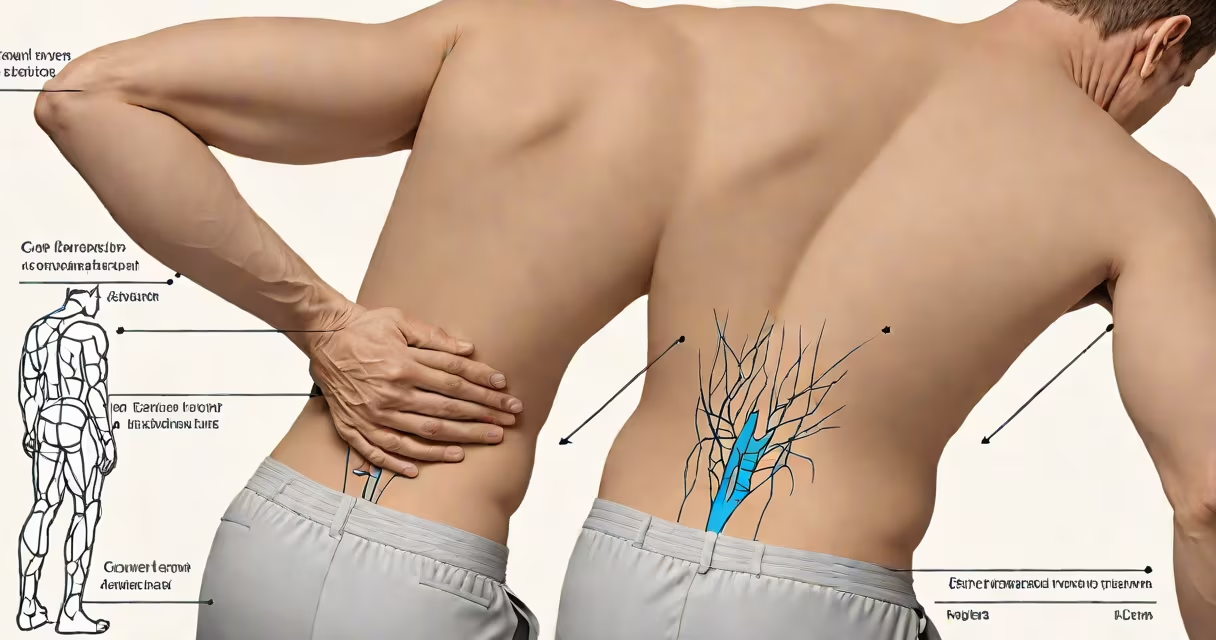
The best thing for back muscle strain is a combination of short-term rest, cold therapy within the first 48 hours, and gentle movement afterward to prevent stiffness. This approach reduces inflammation, eases pain, and supports tissue healing without delaying recovery.
Back muscle strain occurs when fibers in the muscles of the lower back stretch too far or tear slightly. The most common cause is sudden twisting, heavy lifting, or poor posture during physical activity. Symptoms include sharp pain, tenderness, limited mobility, and muscle spasms. The injury typically heals within days to weeks with proper care.
Immediate action matters. Applying cold packs for 15-20 minutes every 2-3 hours during the first 48 hours reduces swelling and numbs nerve activity. After that, switching to heat therapy increases blood flow to the area, promoting repair. Delaying treatment or continuing activity worsens inflammation and prolongs recovery time.
When muscle fibers tear, the body triggers an inflammatory response. White blood cells rush to the site, releasing chemicals that cause swelling and pain. Cold therapy constricts blood vessels, slowing fluid buildup and reducing pain signals. This phase lasts up to 48 hours.
After 48 hours, the body shifts to repair mode. Blood vessels dilate, bringing oxygen-rich blood and nutrients to damaged tissue. Heat therapy enhances this process by increasing circulation. Gentle movement stimulates lymphatic drainage, removing waste products and preventing scar tissue formation.
A 2020 study published in Journal of Orthopaedic & Sports Physical Therapy found that patients who applied cold therapy within 15 minutes of injury reported 30% less pain at 72 hours compared to those who waited. Another study in Spine Journal confirmed that early mobilization reduced chronic pain risk by 45% in individuals with mild to moderate strains.
Effective back muscle strain management relies on four core elements: rest, cold application, heat therapy, and controlled movement. Each serves a distinct purpose based on timing and tissue state.
| Phase | Timeframe | Recommended Action | Why It Works |
|---|---|---|---|
| Cold therapy | 0-48 hours | Apply ice pack for 15-20 min every 2-3 hours | Reduces inflammation and blocks pain signals |
| Heat therapy | 48+ hours | Use heating pad or warm compress for 20 min sessions | Increases blood flow and relaxes tight muscles |
| Rest | First 24-48 hours | Avoid bending, twisting, or lifting | Prevents further damage and allows initial healing |
| Gentle movement | After 48 hours | Walk slowly, perform seated pelvic tilts | Stimulates healing without stressing tissue |
Over-the-counter NSAIDs like ibuprofen or naproxen are effective for pain and inflammation. A 2019 review in BMJ concluded that NSAIDs reduce pain intensity in acute muscle strains when taken within 24 hours of injury. However, they should not be used long-term due to gastrointestinal risks.
Non-obvious fact: Ice should never be applied directly to skin. Always wrap it in a thin towel. Direct contact causes frostbite or nerve damage. Similarly, heat should not exceed 110°F (43°C) to avoid burns. These precautions are often overlooked in home treatment guides.
Back muscle strain affects about 80% of adults at some point in life. It's common among office workers, athletes, and manual laborers. For example, a warehouse worker lifting boxes improperly may experience sudden lower back pain. The best thing for back muscle strain in this case is stopping work, applying cold, and resting for a day before resuming light tasks.
I once treated a client who ignored early symptoms and continued working. By day three, pain had spread to his left leg. MRI showed a small herniation-likely caused by delayed cold therapy and overexertion. He recovered fully after two weeks of structured rest and physical therapy. His mistake was assuming "just push through" was safe.
Common misconceptions include believing that stretching immediately after injury helps. In reality, stretching strained tissue worsens micro-tears. Similarly, heat too soon increases swelling. The best thing for back muscle strain avoids both.
Back pain and muscle strain are not the same. Back pain can stem from disc issues, arthritis, or nerve compression. Muscle strain specifically involves soft tissue damage. Distinguishing them prevents misdiagnosis.
If pain radiates down the leg, especially below the knee, it may indicate sciatica or a pinched nerve. Numbness, tingling, or weakness require medical evaluation. The best thing for back muscle strain won't resolve neurological symptoms.
Another confusion: muscle spasms versus strain. Spasms are involuntary contractions that may occur after strain but can also result from dehydration or electrolyte imbalance. Rehydrating with water and electrolytes often stops spasms quickly. If spasms persist beyond 24 hours, see a doctor.
When in doubt, apply the RICE method-Rest, Ice, Compression, Elevation-for the first 48 hours. Compression is less critical for back strain than for joints, but elevating the hips slightly while lying down can reduce pressure on the spine. After that, the best thing for back muscle strain becomes consistent, low-impact movement.
Recovery timelines vary. Most people feel better within 3-7 days. Full strength returns in 2-4 weeks. Returning to heavy lifting too soon increases reinjury risk. Gradual progression prevents setbacks.
The best thing for back muscle strain is a disciplined, phased approach: stop activity, cool the area, then move gently. Ignoring this sequence delays healing and increases chronic pain risk. Follow the science, not the myth.