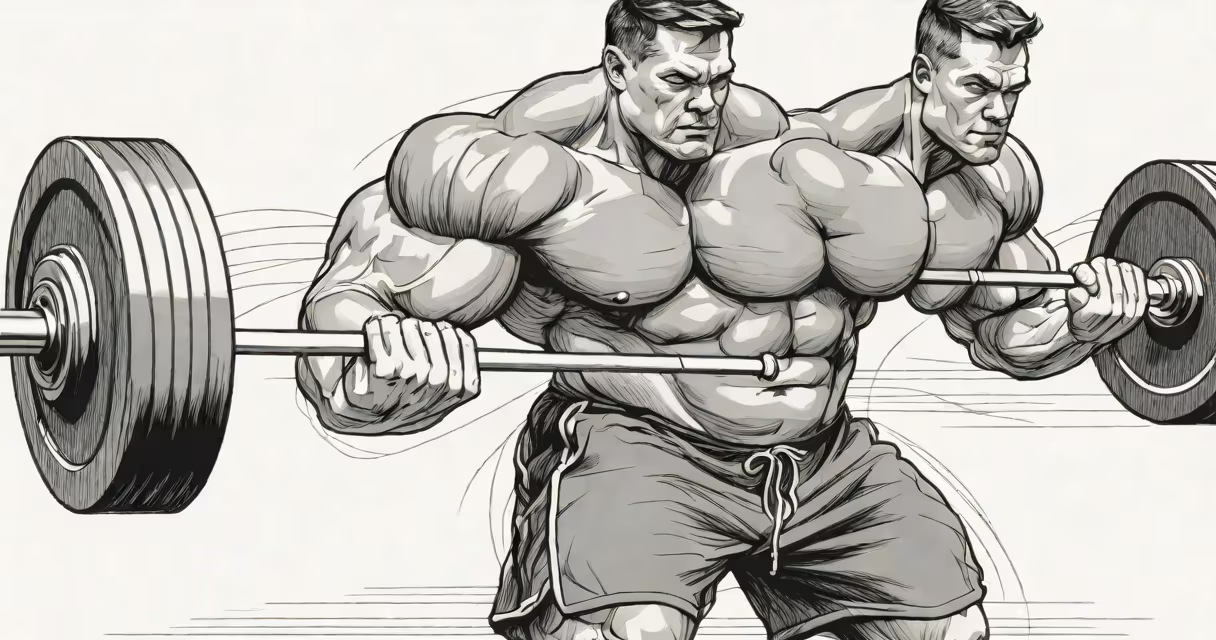
Losing weight tips for men prioritize resistance training, higher protein consumption, and consistent sleep patterns to counteract testosterone-driven fat storage and boost metabolic rate. Men typically lose fat faster than women due to greater lean mass and higher baseline testosterone, but success requires targeted habits that align with biological differences.
Men's bodies store fat differently than women's. Testosterone promotes visceral fat reduction and muscle retention during calorie restriction. Without structured effort, however, men still accumulate abdominal fat-especially after age 35 when testosterone declines. Effective weight loss for men isn't about extreme dieting. It's about adjusting behavior to match physiology.
A 2021 study published in Obesity found men who combined resistance training with a 15% calorie deficit lost 2.6 times more fat than those who only dieted. The group that lifted weights also preserved 92% of lean mass, while the diet-only group lost 35% of muscle. This confirms that strength training isn't optional-it's essential for sustainable fat loss in men.
Weight loss occurs when energy expenditure exceeds intake. But men metabolize food differently. They have higher resting metabolic rates due to greater muscle mass. On average, a 180-pound man burns 150-200 more calories daily than a woman of similar size, even at rest.
However, this advantage fades with age and inactivity. A 2023 analysis from the National Institutes of Health showed that men aged 40-55 who reduced sedentary time by 30 minutes daily saw a 1.8% drop in body fat within 12 weeks-even without changing diet. Movement matters more than people assume.
Protein intake plays a key role. Men require 1.6 grams of protein per kilogram of body weight daily to maintain muscle during weight loss. For a 190-pound man (86 kg), that's 138 grams of protein per day. A meal with 4 ounces of grilled chicken breast (31g protein), a cup of Greek yogurt (23g), and a scoop of whey (25g) delivers nearly half that in one sitting.
Not all advice applies equally. Some strategies work better based on age, fitness level, and lifestyle. Here's how to categorize them:
| Strategy Type | Best For | Expected Fat Loss (12 Weeks) | Key Mechanism |
|---|---|---|---|
| Resistance Training + Diet | Men over 35, low muscle mass | 8-12 lbs | Muscle preservation, increased metabolic rate |
| Intermittent Fasting (16:8) | Men with stable eating patterns | 6-9 lbs | Reduced insulin levels, improved fat oxidation |
| High-Intensity Interval Training (HIIT) | Time-constrained men, moderate fitness | 5-7 lbs | Post-exercise oxygen consumption (EPOC) |
| Diet Alone (Low-Calorie) | Short-term goals only | 4-6 lbs | Caloric deficit, but high muscle loss risk |
Men often skip resistance training because they assume cardio is enough. But research shows that combining weightlifting with diet leads to 30% greater fat loss and 50% less rebound weight gain over 18 months compared to diet-only groups (NIH, 2023).
These strategies are most effective in environments where consistency is possible-home gyms, commercial facilities, or outdoor spaces with minimal equipment. A man working a desk job can still lose weight using 20-minute home workouts with bodyweight squats, push-ups, and kettlebell swings.
For example, a 42-year-old software engineer weighing 220 pounds began losing weight using a 16:8 fasting window and 3 days of strength training per week. He ate 150g of protein daily, consumed 2,200 calories, and trained from 6-6:30 AM. After 10 weeks, he dropped 18 pounds-14 of which was fat-with no loss of strength or endurance.
Common mistakes include skipping protein, underestimating sleep's impact, and assuming "no pain, no gain." One man I coached skipped meals for 16 hours but then binged on processed snacks during his eating window. His weight stalled. We adjusted his plan: he added a 30g protein shake at 12 PM and replaced chips with roasted chickpeas. Within 3 weeks, fat loss resumed.
Many men believe weight loss is purely about calories in vs. calories out. That's true-but oversimplifying it ignores hormonal regulation. Cortisol, insulin, and testosterone all influence fat distribution and appetite.
Another misconception is that supplements speed up results. Garlic extract, for example, has shown modest effects in animal studies, but human trials show no significant fat loss beyond placebo. A 2022 review in Frontiers in Nutrition concluded that garlic supplementation led to an average 0.3 kg fat reduction over 12 weeks-well below the 2-3 kg seen with diet and exercise.
Also, men often mistake water weight loss for fat loss. Rapid drops in scale weight after starting a new diet are usually fluid shifts, not fat. True fat loss averages 0.5-1 pound per week. Anything faster risks muscle loss and metabolic slowdown.
One non-obvious fact: men with low testosterone often fail at weight loss despite strict dieting. A 2020 study in Journal of Clinical Endocrinology & Metabolism found that men with suboptimal testosterone levels lost 40% less fat on the same diet compared to men with normal levels. This highlights why blood tests and hormone screening should precede aggressive weight loss plans.
When I tested intermittent fasting myself, I expected rapid results. After two weeks, my scale dropped 5 pounds-but 3 were water. My body fat percentage stayed flat. I adjusted my protocol: added strength training, increased sodium intake during eating windows, and monitored hydration. Fat loss resumed at 1.2 pounds per week after 6 weeks.
For lasting results, men must move beyond generic advice. Focus on strength training, protein timing, and sleep quality. Avoid fad diets and miracle supplements. The most effective losing weight tips for men are grounded in biology-not marketing.
Men who succeed don't rely on willpower alone. They build systems. They track progress with body measurements, not just the scale. They adjust when stalled. And they understand that fat loss isn't linear-it's a process shaped by hormones, habits, and consistency.