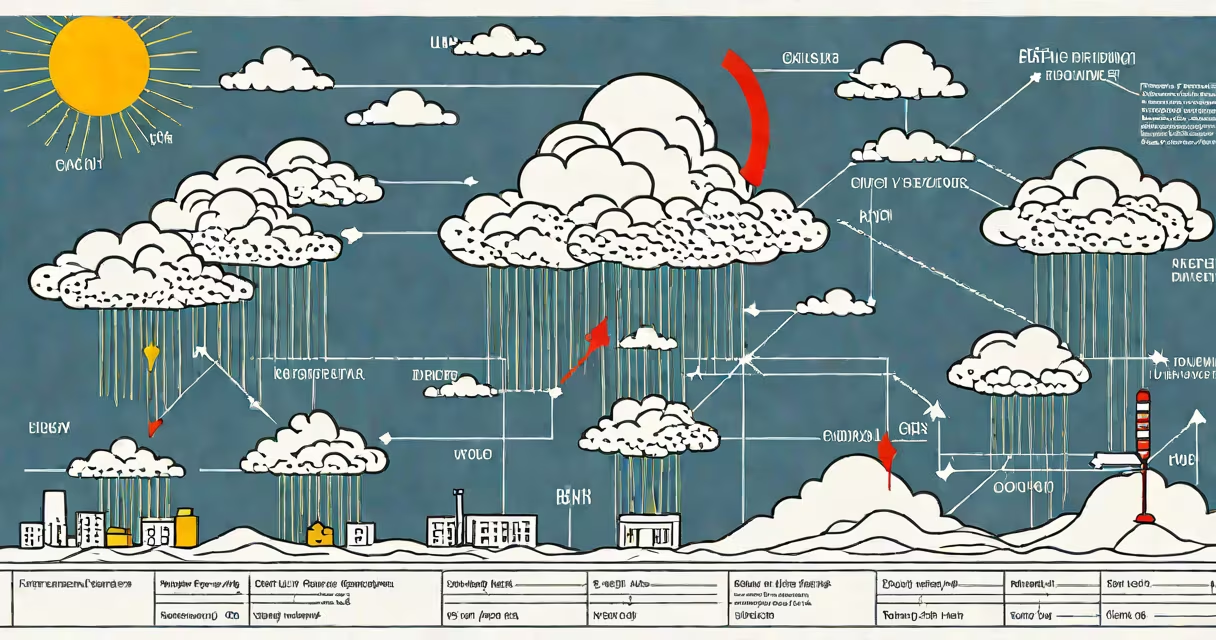
Low pressure arises when a region experiences reduced force per unit area exerted by fluids-air, water, or gases-due to changes in temperature, density, or mechanical failure. This condition manifests in weather systems, human physiology, and industrial machinery.
Atmospheric low pressure forms when warm air rises, creating a void that cooler air rushes in to fill. This process drives storm systems and precipitation. In the human body, low blood pressure (hypotension) results from dehydration, heart dysfunction, or medication side effects. In refrigeration systems, low suction pressure indicates insufficient refrigerant flow or compressor inefficiency.
Pressure is force applied over area. When the molecules in a fluid move slower or spread out, they exert less force. In the atmosphere, warm air expands and becomes less dense. As it rises, it creates a low-pressure zone near the surface. This triggers wind and cloud formation. The Coriolis effect then steers these winds into spiral patterns around the center-cyclones or hurricanes.
In plumbing and HVAC systems, low pressure often stems from leaks, clogged filters, or failing pumps. For example, a 10% reduction in pipe diameter can increase resistance by over 40%, reducing flow and pressure downstream. In refrigeration, low suction pressure signals undercharging or evaporator blockages. A system designed for 15 psi suction pressure operating at 8 psi may fail to cool effectively.
Medical low pressure refers to systolic blood pressure below 90 mmHg or diastolic below 60 mmHg. Causes include orthostatic hypotension (sudden standing), sepsis, or adrenal insufficiency. A 2020 study in The Journal of Clinical Hypertension found that 1 in 10 adults over 65 have symptomatic hypotension, often due to autonomic nervous system decline.
Low pressure appears in distinct domains, each with unique mechanisms:
| Domain | Primary Cause | Typical Symptoms or Effects |
|---|---|---|
| Weather | Rising warm air mass | Storms, rain, wind gusts above 30 mph |
| Refrigeration | Low refrigerant charge | Ice buildup on evaporator coil, poor cooling |
| Human Body | Dehydration or cardiac output drop | Dizziness, fainting, blurred vision |
| Industrial Piping | Leak or filter clog | Reduced flow rate, equipment shutdown |
One common mistake is equating low pressure with low temperature. While cold air tends to sink and create high pressure, low-pressure zones can form in warm climates. For example, tropical cyclones develop over ocean waters above 26.5°C. The heat fuels evaporation and rising air, lowering surface pressure even as temperatures rise.
Many assume low pressure always means danger. That's false. Weather systems with low pressure bring rain, which is essential for agriculture. In medicine, mild hypotension is normal during sleep or after meals. Only sustained drops below 90/60 mmHg require attention.
Another error is blaming low suction pressure in refrigeration solely on refrigerant loss. While undercharging is frequent, a dirty evaporator coil or failed expansion valve can cause the same symptom. A technician using a pressure gauge reading 6 psi on a system rated for 15 psi might replace refrigerant unnecessarily. Diagnosing requires checking superheat and subcooling values.
A non-obvious fact: low pressure in the brain-cerebrospinal fluid pressure-can result from overproduction or blocked drainage. Normal intracranial pressure ranges between 5 and 15 mmHg. Levels above 20 mmHg indicate hydrocephalus. A 2018 study in Neurosurgery showed that 12% of patients with idiopathic intracranial hypertension had normal body weight, challenging the myth that obesity is the sole driver.
In a supermarket freezer, the refrigeration system maintains -18°C. The technician notices ice forming on the evaporator coils and checks the suction pressure. It reads 7 psi-well below the expected 14 psi. The system runs longer to maintain temperature, increasing energy costs.
Initial suspicion points to low refrigerant. But after topping off the charge, pressure remains low. The technician measures superheat: 18°F-too high. Subcooling is 12°F-also too high. These readings suggest a restriction in the liquid line. Upon inspection, a clogged filter-drier is found. Replacing it restores proper flow. Suction pressure returns to 14 psi, ice melts, and cooling resumes.
This case shows that low pressure symptoms don't always stem from missing fluid. Blockages, worn components, or electrical faults can mimic low charge. Diagnosis requires multiple data points, not just pressure alone.
If low blood pressure causes dizziness upon standing, fainting, or confusion, consult a physician. Persistent symptoms may signal autonomic neuropathy or Addison's disease. A 2021 review in Mayo Clinic Proceedings recommends measuring blood pressure in both lying and standing positions to detect orthostatic hypotension.
For refrigeration systems, low suction pressure should prompt a technician visit. Delaying repair risks compressor damage. A failed compressor costs $1,200 to replace-far more than a $150 service call.
On the weather front, low-pressure systems bring storms. Monitor forecasts when pressure drops below 1000 millibars. The National Oceanic and Atmospheric Administration (NOAA) tracks these changes to issue watches and warnings.
Understanding what causes low pressure prevents misdiagnosis and costly errors. Whether in nature, machines, or the body, pressure imbalances signal underlying issues that demand accurate identification.