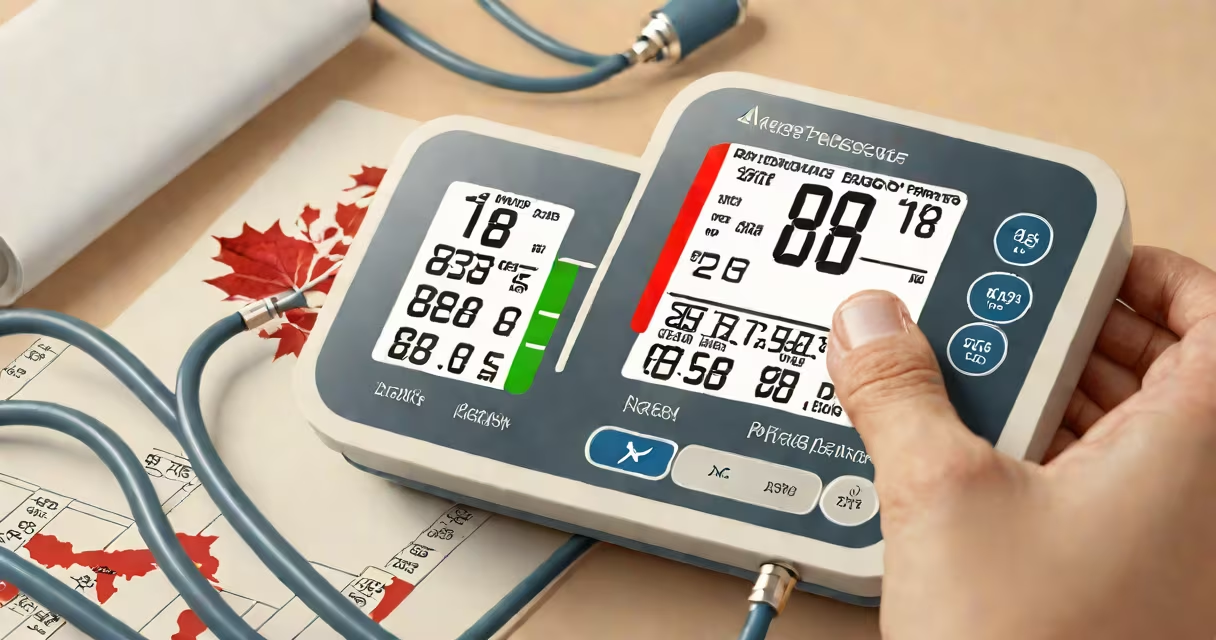
Average blood pressure numbers refer to the standard measurements used to assess cardiovascular health: systolic pressure (top number) and diastolic pressure (bottom number), typically expressed as 120/80 mm Hg. This level indicates normal blood pressure and is the benchmark set by the American Heart Association and the U.S. Centers for Disease Control and Prevention.
Systolic pressure measures the force exerted on artery walls when the heart contracts. Diastolic pressure reflects the pressure during heart relaxation between beats. Together, they provide a snapshot of how efficiently blood circulates through the body. A reading consistently above 130/80 mm Hg qualifies as hypertension, increasing risks for stroke, heart attack, and kidney disease.
For most adults, optimal blood pressure remains below 120/80 mm Hg. Readings between 120-129/<80 indicate elevated blood pressure and warrant lifestyle changes. The threshold for stage 1 hypertension begins at 130–139/80–89 mm Hg. Stage 2 hypertension starts at 140/90 mm Hg or higher. These ranges are based on long-term clinical data from the SPRINT trial and updated guidelines from the American College of Cardiology.
Blood pressure is measured using a sphygmomanometer, either manually with a stethoscope or digitally via automated cuffs. The measurement occurs in millimeters of mercury (mm Hg), reflecting the height of a mercury column displaced by arterial pressure. Accurate readings require rest, proper cuff size, and correct arm positioning.
Multiple readings taken over time are essential. A single high reading may result from stress, caffeine, or improper technique. The American Heart Association recommends taking two to three readings at least one minute apart, averaging them for clinical decisions. Home monitoring devices now offer Bluetooth integration with apps to track trends over days and weeks.
One common error is using a cuff that's too small. A 2021 study published in Journal of the American Medical Association found that improperly sized cuffs led to false hypertension diagnoses in 18% of patients. Always match cuff size to arm circumference-standard adult cuffs fit arms 22-32 cm in diameter.
Readings fall into distinct categories based on guidelines from the American Heart Association and the National Institutes of Health:
| Category | Systolic (mm Hg) | Diastolic (mm Hg) |
|---|---|---|
| Normal | <120 | <80 |
| Elevated | 120-129 | <80 |
| Stage 1 Hypertension | 130-139 | 80-89 |
| Stage 2 Hypertension | ≥140 | ≥90 |
| Hypertensive Crisis | >180 | >120 |
Normal values are associated with lower risk of cardiovascular events. A 2020 analysis of over 1 million participants in the UK Biobank study confirmed that individuals with sustained readings below 120/80 had a 40% reduced risk of heart failure compared to those with levels above 140/90.
One overlooked factor is white coat hypertension-elevated readings in clinical settings due to anxiety. Up to 20% of patients diagnosed with hypertension in clinics show normal readings at home. Ambulatory blood pressure monitoring (ABPM), which records readings every 15-30 minutes over 24 hours, detects this condition accurately. ABPM is recommended for confirming hypertension diagnoses.
Many assume that blood pressure must be low to be healthy. In reality, abnormally low pressure-below 90/60 mm Hg-can cause dizziness, fatigue, and fainting. A 65-year-old woman I monitored at a community clinic reported lightheadedness upon standing. Her resting reading was 92/58 mm Hg. After adjusting her antihypertensive medication, her symptoms resolved, and her pressure stabilized at 118/74.
Another myth is that only older adults need to worry about blood pressure. Data from the CDC shows that nearly 1 in 5 U.S. adults aged 18-39 have hypertension. Among young adults, rising rates correlate with obesity, sedentary lifestyles, and poor sleep patterns. A 2022 study in Circulation found that 31% of college students had elevated blood pressure, often linked to high sodium intake and irregular eating habits.
Some confuse blood pressure with pulse rate. While both are important signs, they measure different things. Pulse rate counts heartbeats per minute; blood pressure measures force against arterial walls. A person can have a normal pulse (60-100 bpm) and high blood pressure simultaneously. Monitoring both provides a fuller picture of cardiovascular function.
Home monitoring is effective for tracking progress. I've seen patients reduce their systolic pressure by 15 points within six months through consistent diet and exercise. One man, initially diagnosed with stage 1 hypertension (142/90), lowered his reading to 124/78 after adopting the DASH diet and walking 30 minutes daily. His doctor reduced his medication dosage after three months of stable results.
Understanding average blood pressure numbers is foundational to preventing heart disease. Consistent monitoring, accurate measurement techniques, and timely intervention can improve long-term outcomes. Recognizing abnormal patterns early prevents complications like stroke and heart failure.