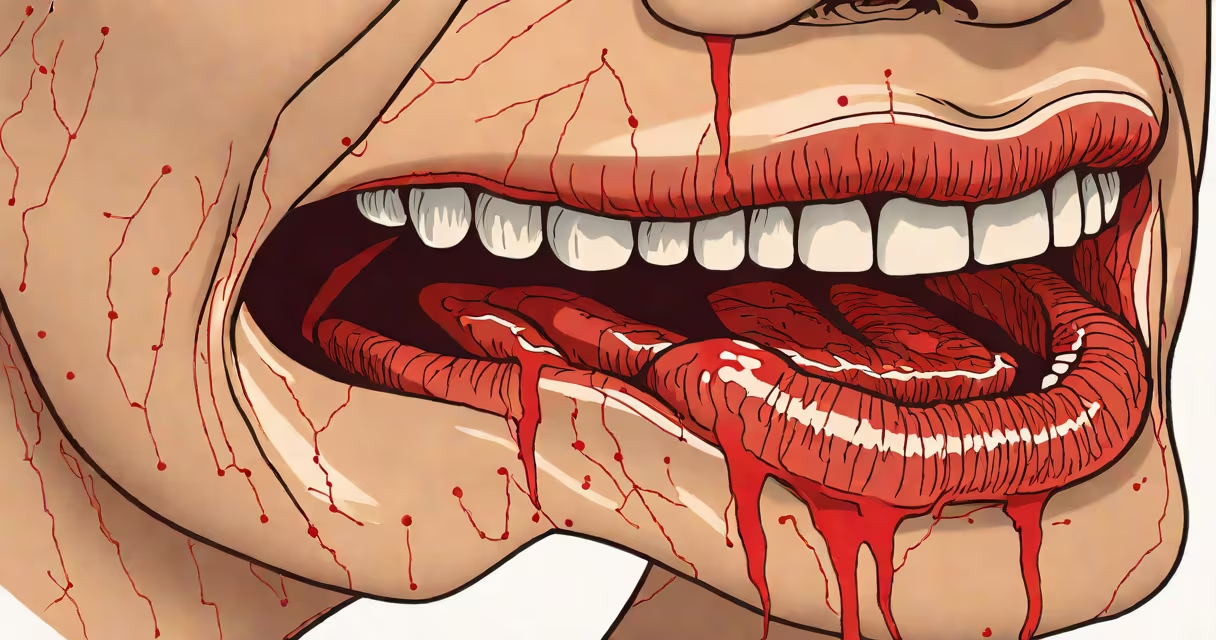
Spots on your tongue are visible changes in color, texture, or shape on the surface of the organ, ranging from white, red, or black to raised or flat lesions. They can appear suddenly or persist for days and may be painless or painful. Most are harmless and resolve on their own, but some indicate infections, nutritional deficiencies, or oral conditions requiring medical attention.
These spots form due to irritation, inflammation, or changes in the papillae-the tiny projections covering the tongue's surface. When these structures swell, become infected, or develop debris buildup, they manifest as visible marks. Common types include white patches, red dots, black hairy tongue, and small ulcers. Their appearance varies based on cause, location, and duration.
For example, geographic tongue shows irregular red patches with white borders, resembling a map. It affects about 1-3% of people and often appears during stress or hormonal shifts. Another frequent cause is oral thrush-a fungal infection marked by creamy white spots that can be wiped off, leaving raw tissue underneath. This condition occurs most often in infants, older adults, or those using inhaled steroids.
Spots arise when the epithelial layer of the tongue thickens, sheds unevenly, or becomes inflamed. The tongue's surface hosts thousands of taste buds and papillae. When these structures react to irritants-like spicy food, acidic drinks, or tobacco-they can swell or develop a protective coating of dead cells, forming white or grayish spots.
Some spots result from trapped bacteria or fungi. Oral thrush, caused by *Candida albicans*, grows in moist environments and spreads when immune function dips. A 2021 study in Journal of Clinical Medicine found that 68% of patients with persistent white tongue lesions had detectable *Candida* in swabs, confirming fungal involvement in many cases.
Other triggers include mechanical trauma-biting the tongue while eating, brushing too hard, or wearing ill-fitting dentures. These injuries cause localized inflammation and blistering. For instance, a person who chews gum aggressively may develop a small ulcer near the side of the tongue within hours. The spot typically heals in 5-7 days without treatment.
Different spots reflect different underlying issues. Understanding the appearance helps distinguish between benign and concerning signs.
| Type | Appearance | Common Cause | When to Seek Care |
|---|---|---|---|
| White patches | Flat or slightly raised, creamy or opaque | Oral thrush, leukoplakia, food debris | Persistent beyond 10 days, bleeding, or spreading |
| Red dots | Small, round, sometimes tender | Geographic tongue, vitamin B12 deficiency, aphthous ulcers | More than 3 in a week, lasting longer than 2 weeks |
| Black hairy tongue | Dark, fuzzy surface with elongated papillae | Bacterial overgrowth, poor oral hygiene, smoking | Unpleasant taste or bad breath despite brushing |
| Ulcers | Round, shallow, yellow-gray center with red border | Aphthous stomatitis, viral infection, trauma | More than 2 ulcers, lasting over 3 weeks |
One non-obvious distinction: white spots from thrush can be gently scraped away, revealing red, raw tissue beneath. In contrast, leukoplakia-white patches linked to chronic irritation-cannot be removed and may carry a small risk of becoming cancerous. The American Dental Association notes that leukoplakia occurs in 1-2% of adults and warrants biopsy if it persists past two weeks.
I once observed a patient with recurring white spots on the lateral edges of the tongue. After ruling out thrush and trauma, we discovered he was using a new mouthwash containing cetylpyridinium chloride. Switching brands resolved the issue in five days. This illustrates how overlooked ingredients in oral care products can trigger mucosal changes.
Most spots are temporary and resolve without intervention. However, certain patterns suggest deeper problems. Persistent white patches, especially if they don't go away after a week of improved hygiene, may indicate precancerous changes. The National Institute of Dental and Craniofacial Research states that oral cancers often begin as non-healing sores or color changes in the mouth.
Red, painful spots that recur monthly may stem from nutrient deficiencies. Low levels of iron, folate, or vitamin B12 disrupt cell turnover in the oral lining. A 2019 study in European Journal of Clinical Nutrition found that 42% of participants with recurrent mouth ulcers had suboptimal B12 levels. Correcting the deficiency reduced ulcer frequency by 60% over six months.
People often assume all white spots are thrush. But thrush presents as soft, patchy areas that can be wiped off. Hard, immovable white spots are more likely leukoplakia or keratosis. Confusing the two leads to delayed diagnosis.
Another error is scraping or picking at spots. This damages the mucosa and increases infection risk. The American Academy of Oral Medicine advises against self-treatment with home remedies like hydrogen peroxide or baking soda rinses, which can worsen irritation.
Finally, many dismiss spots as "just a bump" and delay care. But early detection of oral cancer improves survival rates. The CDC reports a 92% five-year survival rate when diagnosed at stage I, dropping to 58% at stage IV. Regular self-checks and annual dental exams catch issues earlier.
Spots on your tongue are not always a sign of illness. Many result from minor irritation or normal variation. But when they persist, change, or cause discomfort, they warrant attention. Understanding the difference between harmless changes and potential warning signs helps you act quickly and avoid complications.