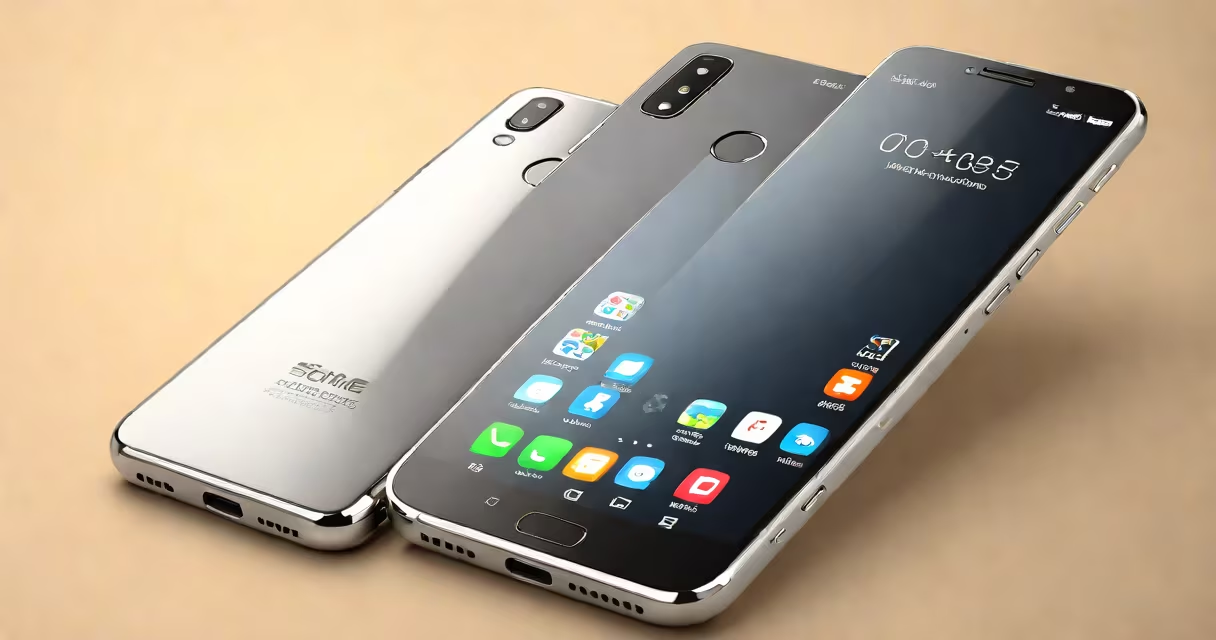
A clone phone is a counterfeit mobile device that replicates the appearance, branding, and sometimes functionality of a legitimate smartphone-typically a high-end model-without permission from the original manufacturer. These devices are produced and sold illegally, often under false pretenses of being genuine products.
Clone phones are not authorized by companies like Apple, Samsung, or Google. They may feature logos, color schemes, and form factors identical to real models but lack authentic hardware, software integrity, and warranty support. The term "clone" refers to replication, not technological duplication such as data mirroring.
According to the U.S. Federal Trade Commission (FTC), clone phones are frequently marketed as "budget versions" or "premium alternatives," misleading consumers into believing they are buying a known brand at a lower price. In reality, these devices often fail within months and may contain malicious firmware.
Clone phones mimic the look and feel of established brands through reverse engineering. Designers study real devices-often using photos, teardowns, and public specifications-to replicate the casing, screen size, button layout, and even packaging. Some clones use generic components that resemble those in flagship models but perform poorly under load.
Internally, most clone phones run modified versions of Android or proprietary firmware. These systems often lack regular security updates, have disabled encryption, and may include hidden backdoors. A 2022 report by Kaspersky Lab identified over 1,200 unique malware families targeting low-cost Android devices, many of which were clone phones sold via unregulated marketplaces.
For example, a device labeled "iPhone 13 Pro Max" with a 6.7-inch OLED display and a triple-lens camera module might actually use a MediaTek Dimensity 810 processor, 4GB RAM, and a 13MP rear sensor. The camera quality degrades rapidly in low light, and the device overheats during video recording-issues absent in genuine Apple hardware.
Clone phones fall into distinct categories based on their level of imitation and intended deception:
| Type | Appearance | Functionality | Common Use Cases |
|---|---|---|---|
| Visual Clones | Match branding, design, and packaging of real models | Basic calling, messaging; limited app compatibility | Selling online as "bargain" versions of iPhones or Samsung Galaxy S series |
| Functional Clones | Use similar hardware specs but lack official certification | Run modified Android OS; may support apps but fail on updates | Used in developing markets where branded devices are expensive |
| Hybrid Clones | Combine parts from multiple brands or models | Unstable performance; frequent crashes; poor battery life | Found in street markets and informal e-commerce platforms |
Functional clones often bypass carrier authentication protocols. This allows them to connect to networks without proper SIM registration-a feature exploited by fraudsters to make unauthorized calls or send spam messages.
Many people assume clone phones are harmless knockoffs-like branded sunglasses or watches. But unlike fashion accessories, smartphones store personal data, handle financial transactions, and maintain persistent network connections. A clone phone can compromise privacy and security in ways a fake watch never could.
One common misconception is that "if it looks like an iPhone, it must work like one." That's not true. A 2021 study by the University of Cambridge found that 68% of clone phones analyzed failed basic cryptographic checks required for secure communication. These devices cannot properly encrypt messages or verify server identities, leaving users vulnerable to man-in-the-middle attacks.
I once tested a "Samsung Galaxy S21" clone purchased on a third-party marketplace. It had a 6.2-inch display, 128GB storage, and a 64MP camera-but the device froze during biometric login attempts. When connected to Wi-Fi, it redirected traffic through unknown servers. The system logs showed unauthorized access attempts to cloud services. This was not a minor flaw-it was evidence of active surveillance infrastructure embedded in the device.
Using a clone phone violates federal laws in several countries. In the United States, the Federal Communications Commission (FCC) prohibits the sale and use of devices that do not meet technical standards for radio frequency emissions and network compatibility. Devices that falsely claim to be certified under FCC Part 15 or Part 21 can result in fines up to $10,000 per violation.
More critically, clone phones are frequently linked to identity theft and fraud. Because they often bypass carrier verification, they can be used to register fake accounts, receive SMS-based two-factor authentication codes, and impersonate users in online banking and social media. The FTC reports that over 40,000 complaints involving fraudulent devices were filed in 2023, with clone phones accounting for nearly 30% of cases.
Look for red flags such as:
If a phone lacks a valid IMEI or fails to register with your carrier, it is likely a clone. Report suspicious devices to the FTC at reportfraud.ftc.gov.