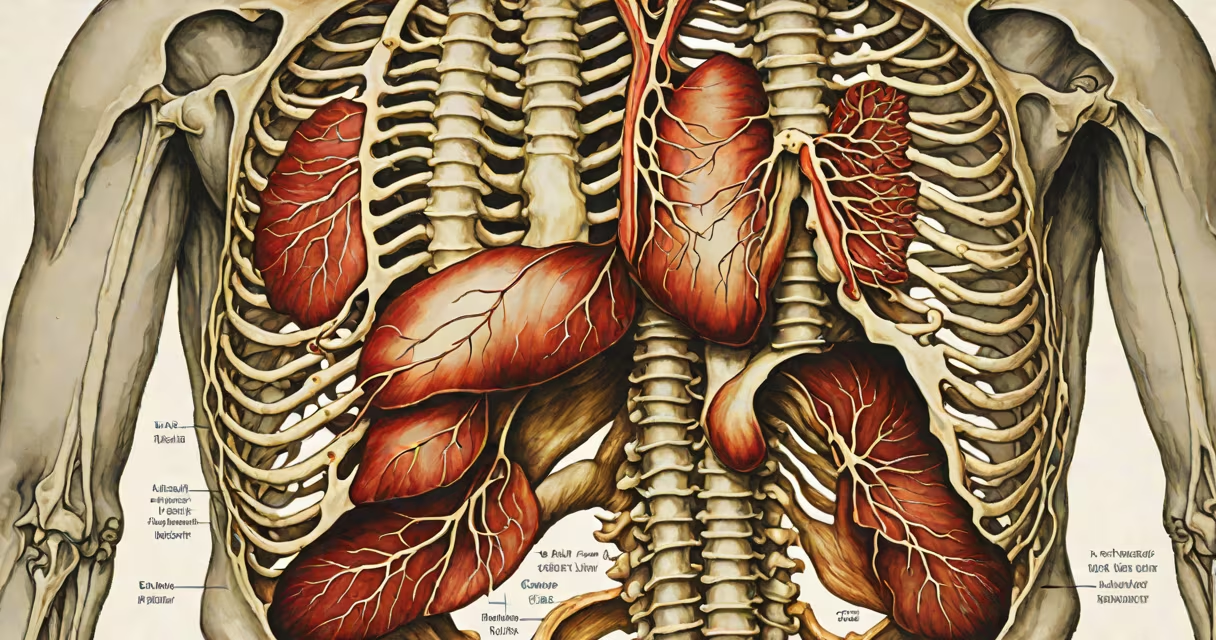
The region beneath the left rib cage houses critical organs including the spleen, the left portion of the stomach, the splenic flexure of the colon, and parts of the diaphragm and left kidney. This area is anatomically distinct and clinically significant due to the presence of blood-rich and immune-active tissues.
When pressure or trauma affects this zone, symptoms such as dull ache, sharp stabbing pain, or tenderness may arise. These signs often indicate issues ranging from minor strain to serious conditions like splenic rupture or pancreatitis. Identifying the underlying cause requires understanding both normal anatomy and abnormal presentations.
The spleen sits deep in the upper left quadrant, protected by the rib cage. It filters blood, removes old red cells, and supports immune function. A healthy spleen weighs about 150 grams and measures roughly 12 cm long. Injuries from blunt force-such as those in sports or car accidents-can lead to internal bleeding, requiring urgent evaluation.
The stomach's left curvature extends beneath the left ribs. The fundus, the uppermost part of the stomach, lies just below the diaphragm and near the spleen. Gastritis, acid reflux, or peptic ulcers in this region can cause burning pain or bloating, especially after eating.
The splenic flexure-the bend between the transverse and descending colon-is located here. Gas buildup or constipation can cause distension and sharp, cramp-like pain. This is common in people with irritable bowel syndrome (IBS), where 30% report left-sided abdominal discomfort, according to a 2019 study in *Gastroenterology & Hepatology*.
Pain under the left rib cage may stem from musculoskeletal strain, especially after twisting motions or heavy lifting. The intercostal muscles between the ribs can spasm, causing localized tenderness. This pain typically worsens with breathing or movement and resolves within days with rest and heat therapy.
Gastrointestinal causes include gastritis, peptic ulcers, and diverticulosis. For example, a 2021 review in The American Journal of Gastroenterology found that 18% of patients presenting with left upper quadrant pain had confirmed gastric pathology, most linked to H. pylori infection or NSAID use.
Systemic conditions like pancreatitis or shingles also manifest here. Shingles, caused by reactivated varicella-zoster virus, often presents with a burning, tingling sensation along a dermatomal pattern-typically the T7-T11 nerve segments-which crosses the left rib cage. Early diagnosis prevents complications like postherpetic neuralgia.
Not all pain under the left rib cage is organ-related. Referred pain from the heart or lungs can mimic gastrointestinal or musculoskeletal issues. For example, a patient with stable angina may feel pressure beneath the left rib cage during exertion, even without chest pain. This occurs because the phrenic nerve supplies both the diaphragm and the heart.
One key distinction: visceral pain (from internal organs) is often dull, diffuse, and poorly localized. Somatic pain (from muscles or bones) is sharp, well-defined, and worsens with movement. A patient reporting a sudden, sharp stab when coughing likely has a muscle strain or pleuritic issue, not a ruptured spleen.
Another non-obvious point: the spleen is rarely palpable in healthy adults. If a physician detects a mass in the left upper quadrant during a physical exam, it suggests splenomegaly-enlargement due to infection, liver disease, or hematologic disorders. This finding warrants imaging and blood work.
Symptoms that demand prompt evaluation include persistent pain lasting more than 48 hours, fever, unexplained weight loss, or signs of internal bleeding such as dizziness, pale skin, or low blood pressure. A single episode of sharp pain after trauma-especially if associated with shoulder tip pain (Kehr's sign)-suggests splenic rupture and requires emergency imaging.
For chronic or recurrent pain, diagnostic steps include ultrasound, CT scan, or endoscopy. A patient with intermittent left-sided pain and bloating may undergo a colonoscopy to rule out diverticulosis or early colorectal cancer. The American Cancer Society recommends screening beginning at age 45 for average-risk individuals.
As a clinician, I've seen multiple cases where patients dismissed left rib cage pain as "just gas" until they developed a perforated ulcer. One man reported sharp pain after eating, initially attributing it to indigestion. By the time he sought care, he had a free air sign on X-ray-a surgical emergency. Early recognition prevents complications.
| Condition | Typical Pain Quality | Associated Symptoms | Diagnostic Test |
|---|---|---|---|
| Muscle strain | Sharp, movement-dependent | Tenderness, limited motion | Physical exam, MRI if persistent |
| Gastritis/ulcer | Burning, meal-related | Nausea, bloating, acid regurgitation | Endoscopy, H. pylori test |
| Splenic injury | Deep, constant ache | Fever, pallor, hypotension | CT scan, ultrasound |
| Diverticulosis | Cramping, episodic | Constipation, bloating | Colonoscopy, CT |
| Shingles | Burning, unilateral | Rash, tingling, sensory changes | Clinical exam, PCR if uncertain |
Understanding what is located under the left rib cage helps differentiate benign issues from serious medical concerns. While many causes are treatable with lifestyle changes or medication, some require immediate intervention.