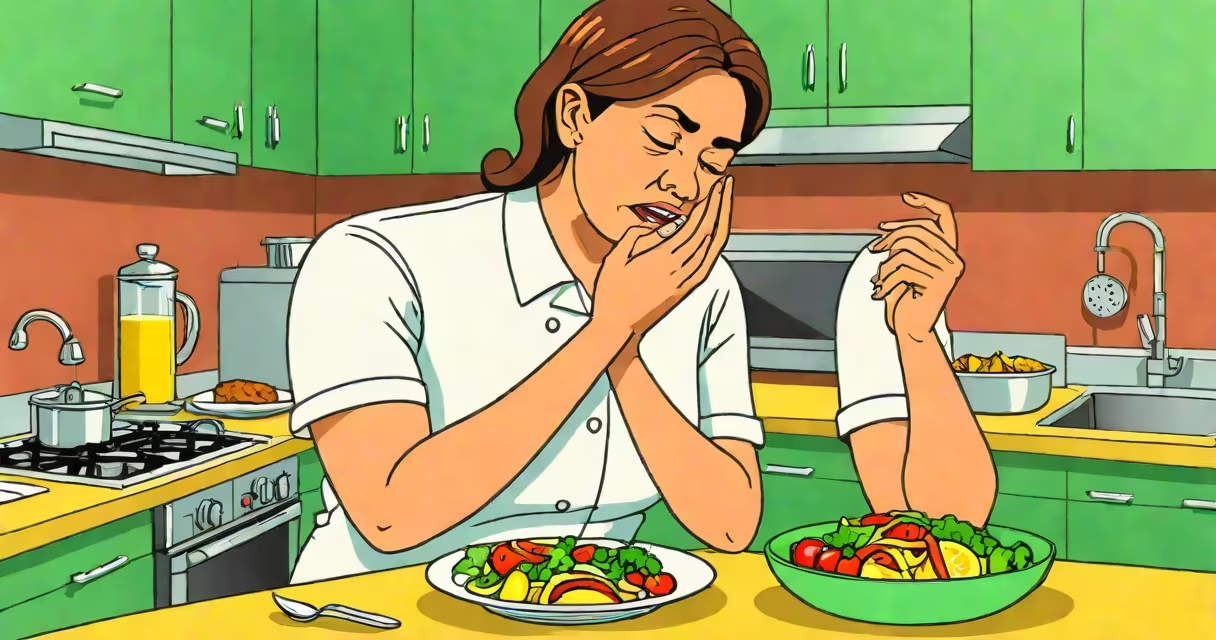
Food poisoning symptoms typically begin within 30 minutes to 6 hours after consuming contaminated food, though some cases may take up to 24 hours. The speed depends on the pathogen involved, the amount ingested, and individual factors like age and immune health.
The incubation period-the time between exposure and symptom onset-varies by microorganism. For example, *Staphylococcus aureus* produces toxins rapidly, leading to nausea, vomiting, and cramps within 30 minutes to 3 hours. In contrast, *Salmonella* usually takes 6 to 48 hours, while *Listeria monocytogenes* can take up to 70 days due to its slow growth in the body.
Most foodborne illnesses result from bacteria, viruses, parasites, or chemical contaminants. Bacterial toxins act faster than live organisms multiplying in the gut. A single gram of *S. aureus*-contaminated food can trigger symptoms in under two hours. Viral agents like norovirus often cause rapid onset-within 12 to 48 hours-and are highly contagious.
Different microbes have distinct timelines. The Centers for Disease Control and Prevention (CDC) tracks these patterns based on clinical reports and outbreak investigations.
| Pathogen | Typical Onset Time | Key Symptoms | Source Example |
|---|---|---|---|
| Staphylococcus aureus | 30 min - 3 hours | Nausea, vomiting, abdominal cramps | Contaminated potato salad at a picnic (CDC, 2021) |
| Salmonella | 6 - 48 hours | Diarrhea, fever, cramps | Undercooked chicken in a restaurant meal (FDA, 2022) |
| Norovirus | 12 - 48 hours | Severe vomiting, watery diarrhea | Cruise ship outbreak linked to contaminated shellfish |
| Listeria monocytogenes | 1 - 70 days | Fever, muscle aches, confusion (especially dangerous in pregnancy) | Contaminated deli meat (CDC, 2020) |
Some toxins, like those from *Clostridium botulinum* (botulism), don't cause GI symptoms at all. Instead, they affect nerves-leading to blurred vision, muscle weakness, and paralysis. Onset can occur as early as 6 hours after ingestion, but sometimes takes up to 36 hours. This delay makes diagnosis difficult without a known exposure history.
Individual differences play a major role. Age, immune function, and pre-existing conditions alter how quickly symptoms develop. Infants, elderly adults, and people with compromised immunity often experience faster onset and more severe reactions.
Consumption volume matters too. Eating a large portion of contaminated food increases the dose of pathogens or toxins, shortening the incubation window. A study published in Emerging Infectious Diseases found that individuals who consumed more than 10 grams of *Salmonella*-contaminated eggs developed symptoms 12 hours earlier on average than those who ate smaller amounts.
Food preparation methods also affect timing. High-heat cooking kills most bacteria, but some spores survive. Reheating improperly stored leftovers allows surviving bacteria to multiply. Leftover rice left at room temperature for four hours can harbor *Bacillus cereus*, which produces heat-stable toxins causing vomiting within 1 to 5 hours.
Onset within 30 minutes suggests toxin-mediated illness rather than infection. Toxins like those from *S. aureus* or *B. cereus* act directly on the gut lining or nervous system. These cases often resolve faster-within 6 to 12 hours-because the toxin is not replicating.
Conversely, delayed onset beyond 24 hours raises concern for slower-growing pathogens. *Listeria* infections can mimic flu-like symptoms initially, making them easy to miss. Pregnant women are especially vulnerable-symptoms may not appear until weeks after eating contaminated food, but the infection can lead to miscarriage or stillbirth.
A key distinction: symptoms appearing within 30 minutes strongly suggest a toxin-based mechanism. If symptoms start after 6 hours, an infectious agent is more likely. This difference affects treatment-antibiotics are ineffective against toxins but necessary for bacterial infections.
In July 2022, a family reunion in rural Ohio saw 14 attendees fall ill after eating a ham and potato salad. Seven people reported nausea and vomiting within 45 minutes. Two others developed diarrhea after 2 hours. All symptoms resolved within 8 hours.
Public health investigators traced the outbreak to a chilled salad left out for 6 hours during a hot afternoon. Lab tests confirmed *Staphylococcus aureus* contamination. The rapid onset matched the expected toxin profile. No antibiotics were needed-symptoms resolved with hydration and rest.
This case illustrates how food poisoning symptoms can appear almost immediately after consumption, especially when toxins are involved. It also shows that not all foodborne illnesses require medical intervention.
If symptoms begin within 1 to 2 hours after eating, suspect a toxin-producing pathogen. Avoid anti-diarrheal medications-they can trap toxins in the gut. Focus on rehydration with oral electrolyte solutions.
Seek medical attention if symptoms last longer than 24 hours, involve high fever (>101.3°F), bloody stool, or signs of dehydration (dry mouth, dizziness, reduced urination). Children under five and adults over 65 are at higher risk for complications.
For persistent or severe cases, testing may be needed. Stool cultures can identify *Salmonella*, *Shigella*, or *Campylobacter*. Blood tests detect *Listeria* in high-risk groups. Early diagnosis improves outcomes.
Understanding how fast you can get food poisoning symptoms helps assess risk and decide when to act. Knowing the pathogen type and incubation window guides appropriate response-whether it's home care or urgent treatment.