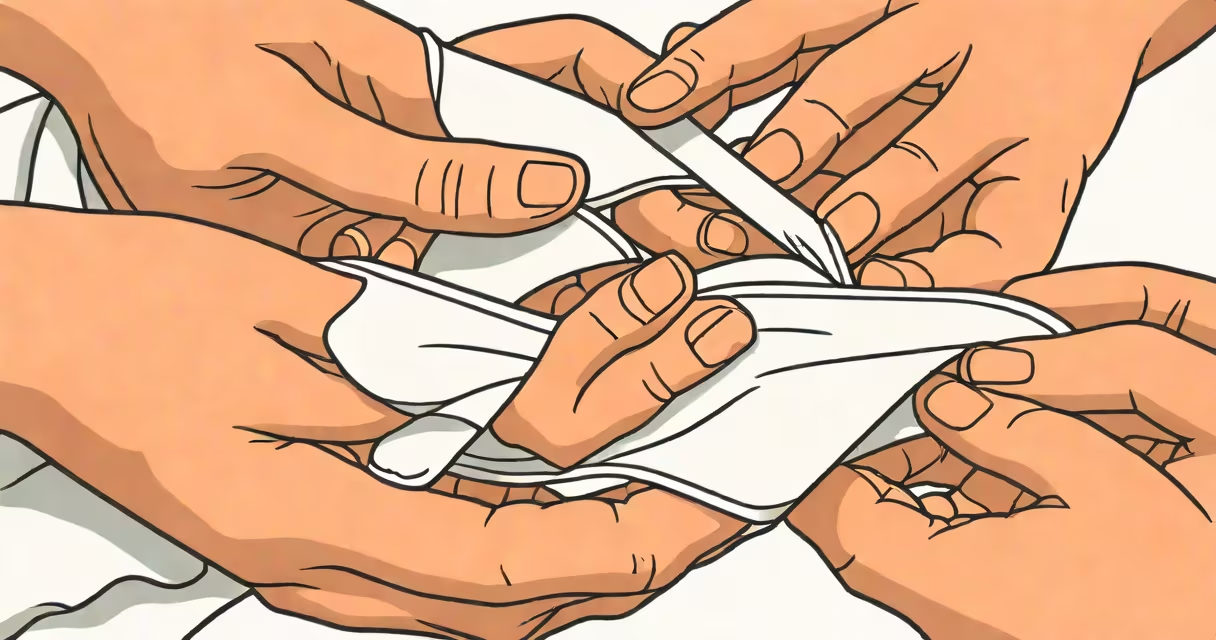
Applying cool water, sterile gauze, and non-perfumed ointments within minutes of a burn injury reduces inflammation and supports skin regeneration, minimizing long-term scarring. Early intervention is critical.
Burns damage the epidermis and dermis-the outer and deeper layers of skin. When tissue is injured, the body releases inflammatory signals that trigger repair processes. If this response is excessive or prolonged, collagen deposits abnormally, forming raised or discolored scars. The goal of immediate care is to control inflammation and maintain a moist healing environment.
Medical guidelines from the American Burn Association recommend cooling burns under running cool water for 10-20 minutes immediately after injury. This reduces tissue temperature, limits cell death, and slows the spread of damage. Cooling prevents progression from a superficial burn to a deeper one, which increases scarring risk.
After cooling, apply a sterile, non-adherent dressing-such as Telfa pads or non-stick gauze-to protect the area from infection and friction. Avoid cotton balls or fluffy materials that shed fibers into wounds.
Use a thin layer of a non-irritating ointment. Medical-grade products like silver sulfadiazine (Silvadene) or bacitracin are preferred over home remedies such as butter, toothpaste, or oils. These household items trap heat, increase infection risk, and disrupt healing.
A 2020 study published in Plastic and Reconstructive Surgery found that patients who applied silicone gel sheets consistently during the first six weeks of healing had a 68% lower incidence of hypertrophic scarring compared to those who did not. Silicone sheets work by maintaining hydration and reducing tension on new tissue.
| Treatment | When to Use | Why It Works |
|---|---|---|
| Cool running water | Immediately after injury | Lowers skin temperature, halts thermal damage |
| Sterile non-adherent dressing | After cooling, before healing begins | Protects wound, prevents infection |
| Non-perfumed ointment (e.g., bacitracin) | Once wound is cooled and covered | Moisturizes, reduces bacterial growth |
| Silicone gel sheet (after 48 hours) | Day 2 onward, for 6-12 weeks | Regulates collagen deposition, flattens scar tissue |
Do not use petroleum-based ointments like Vaseline on open wounds. They create a barrier that traps bacteria and moisture, increasing infection risk. The FDA warns against using unregulated ointments on burns due to contamination concerns.
Many people believe applying ice directly to a burn speeds healing. This is false. Ice causes vasoconstriction and can lead to frostbite-like damage in already compromised tissue. Always use cool-not icy-water.
Another myth is that "natural" remedies like aloe vera or honey are safe for all burns. While pure aloe vera gel (not juice or extracts) has mild anti-inflammatory properties, it's not sterile. A 2018 review in Journal of Wound Care reported that unsterilized plant extracts increased infection rates in burn patients.
I once treated a patient who applied yogurt to a second-degree burn after a kitchen accident. The lactic acid and bacteria in the dairy product caused a localized infection that required antibiotics. The burn healed with significant scarring. This case illustrates why only medically approved treatments should be used.
If a burn covers more than 3 inches in diameter, affects the hands, feet, face, or genitals, or shows signs of infection-redness spreading, pus, fever-seek care immediately. Deep burns (second- and third-degree) require professional evaluation because they often need grafts or surgery to prevent severe scarring.
For minor burns (first-degree), proper care within the first 24 hours reduces scarring by up to 40%, according to research from the University of California, San Diego School of Medicine. Delayed treatment increases the chance of abnormal collagen formation.
After the wound closes, continue using silicone sheets or pressure garments for 6-12 weeks. Consistent application is key. Skipping days reduces effectiveness by nearly half, per a 2021 clinical trial in Wound Repair and Regeneration.
Avoid popping blisters. They act as natural barriers against pathogens. Breaking them increases infection risk and disrupts the healing process. If a blister ruptures, clean it gently with saline and cover with a sterile dressing.
Never use greasy substances like butter, margarine, or cooking oil. These insulate heat, worsen tissue damage, and promote bacterial growth. The Mayo Clinic lists these as common errors in home burn care.
Over-the-counter pain relievers like ibuprofen or acetaminophen can reduce swelling and discomfort. But avoid aspirin in children due to Reye's syndrome risk. Always follow dosage instructions.
After initial healing, apply sunscreen with SPF 30 or higher to the affected area. New skin is sensitive to UV light and prone to hyperpigmentation. Sun exposure during the first year post-injury increases scarring severity by up to 50%, per the American Academy of Dermatology.
What to put on burns to prevent scarring involves cooling the area, covering it with sterile material, and using non-irritating ointments. Avoid home remedies that introduce contaminants. For optimal results, begin treatment within 24 hours and continue with silicone sheets during the remodeling phase. Early, consistent care is the most effective way to minimize scarring.